
What Is Ship Lap Siding?
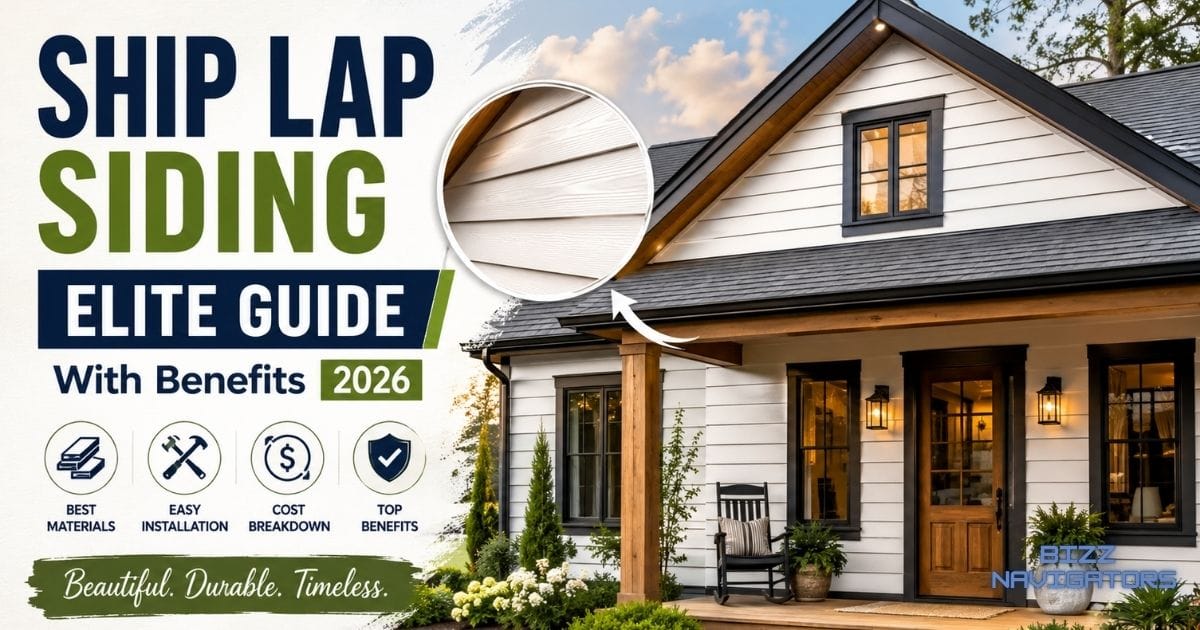
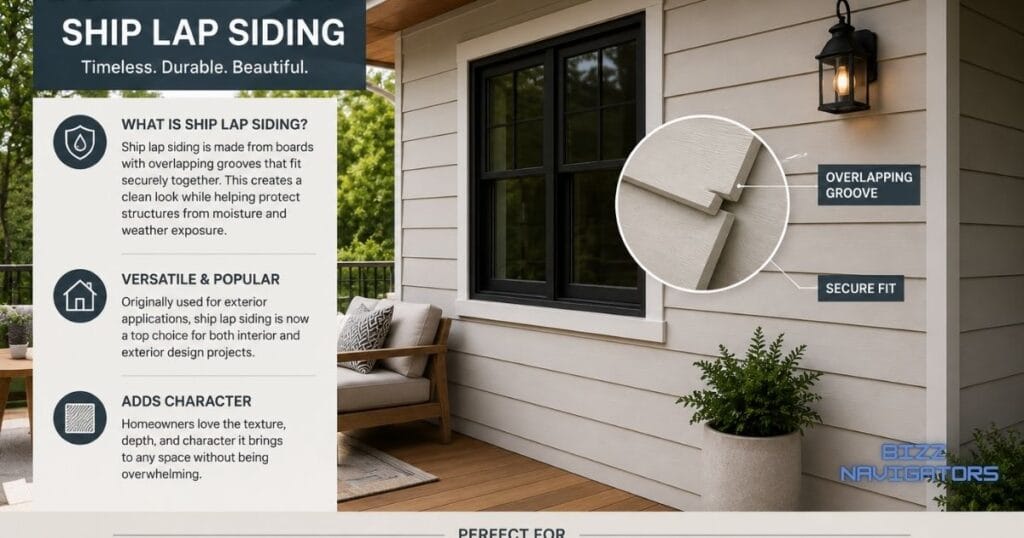
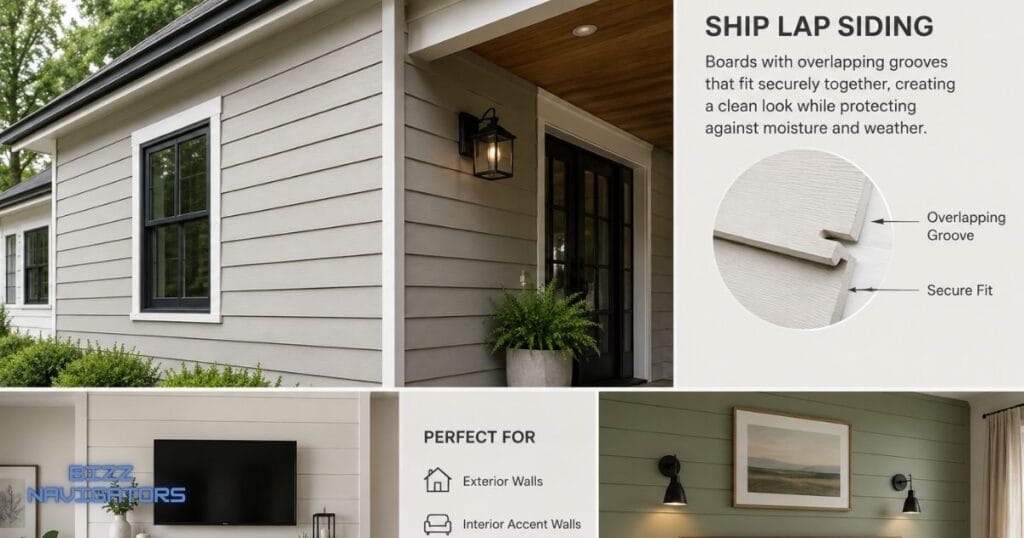
Ship lap siding is a popular wall and cladding system made from specially milled boards that feature overlapping edges. These boards fit together securely, creating a distinctive shadow-line effect while helping protect structures from moisture and weather exposure.
Originally used on barns, sheds, and coastal buildings, ship lap siding has evolved into one of the most sought-after design elements for both residential and commercial properties. Today, homeowners use it to create everything from modern farmhouse interiors to durable exterior facades.
Its combination of beauty, durability, and versatility makes it a practical choice for a wide range of construction and renovation projects.
A Brief History of Ship Lap Siding
The term “ship lap” comes from the way wooden boards were once joined on ships to reduce water penetration. Builders later adopted the same overlapping design for homes and other structures because of its strength and weather-resistant qualities.
How Ship Lap Differs From Traditional Siding
Unlike standard lap siding, ship lap boards feature rabbeted edges that overlap tightly. This design creates a more uniform appearance while providing better protection against wind-driven rain and moisture infiltration.
Why Homeowners Choose Ship Lap Siding
Ship lap siding continues to gain popularity because it combines functionality with timeless style.
Key Advantages
Attractive Appearance
The clean horizontal or vertical lines create depth and texture without overwhelming a space.
Versatile Design
Ship lap complements numerous architectural styles, including:
Farmhouse
Coastal
Rustic
Scandinavian
Contemporary
Traditional
Enhanced Durability
Properly installed shiplap siding can withstand years of exposure to changing weather conditions.
Increased Property Appeal
Well-designed ship lap installations often improve curb appeal and make interiors feel more refined and inviting.
Types of Shiplap Siding Materials
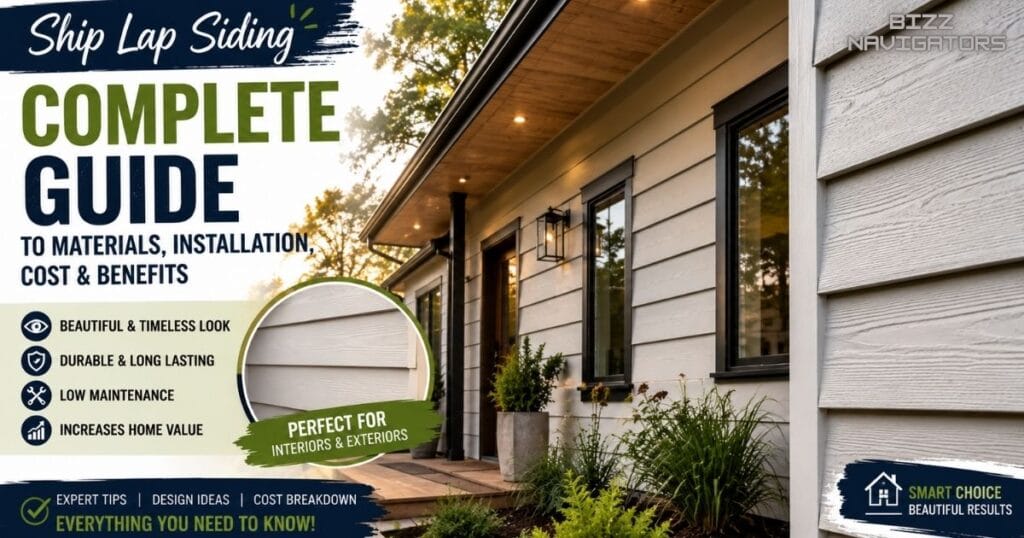
Choosing the right material is one of the most important decisions for long-term performance.
Natural Wood Ship Lap
Wood remains the traditional choice due to its authentic appearance and natural warmth.
Popular options include:
Cedar
Pine
Redwood
Douglas Fir
Engineered Wood
Engineered wood products provide the appearance of natural lumber while offering enhanced stability and resistance to environmental factors.
Fiber Cement
Fiber cement shiplap siding is highly durable and resistant to fire, insects, moisture, and rot.
Composite and PVC Ship Lap
Modern composite materials require minimal maintenance and resist many common siding problems.
Reclaimed Wood
Reclaimed wood offers a distinctive aged appearance and supports environmentally conscious construction.
Best Wood Species for Shiplap Siding
Not all wood species perform the same under different environmental conditions.
Cedar
Cedar naturally resists insects, moisture, and decay. It is often considered one of the best choices for exterior applications.
Pine
Pine is affordable, easy to work with, and widely used for interior ship lap installations.
Redwood
Redwood provides excellent durability and a rich appearance that ages beautifully.
Douglas Fir
Douglas Fir offers impressive strength and accepts paint and stain finishes exceptionally well.
Reclaimed Timber
Reclaimed timber creates a unique character and can contribute to sustainable building practices.
Common Shiplap Siding Profiles
Different profiles create different visual effects.
Traditional Ship Lap
The classic overlapping profile has been used for decades in both residential and commercial construction.
Nickel Gap
Nickel gap boards leave a small, consistent space between planks for a cleaner, more modern look.
V-Groove
This profile creates pronounced shadow lines that add texture and visual interest.
Square Edge
Square-edge boards deliver a sleek, contemporary appearance.
Wide-Plank Ship Lap
Wider boards create bold architectural lines and can make rooms appear larger.
Interior Design Applications
Ship lap is no longer limited to exterior walls.
Accent Walls
A ship lap accent wall can instantly transform an ordinary room into a focal point.
Living Rooms
Many homeowners use ship lap behind fireplaces and entertainment centers.
Bedrooms
Feature walls add warmth and texture without overwhelming the space.
Kitchens
Ship lap works beautifully around islands, breakfast nooks, and decorative wall sections.
Bathrooms
Moisture-resistant materials can create stylish bathroom feature walls.
Ceilings
Installing ship lap on ceilings adds character and architectural interest.
Exterior Applications of Shiplap Siding
Ship lap remains one of the most effective exterior cladding options.
Full Exterior Cladding
Many homeowners choose ship lap as their primary siding material.
Garages and Workshops
Its durability makes it suitable for detached structures.
Porch and Patio Areas
Ship lap helps create seamless transitions between indoor and outdoor living spaces.
Gables and Architectural Features
Builders often use ship lap to highlight specific sections of a home’s exterior.
Interior vs Exterior Shiplap Siding
Although similar in appearance, installation requirements differ significantly.
| Feature | Interior Ship Lap | Exterior Ship Lap |
| Weather Exposure | Low | High |
| Moisture Protection | Minimal | Essential |
| Maintenance | Low | Moderate |
| Installation Difficulty | Easier | More Complex |
| Protective Barrier | Usually Not Required | Required |
Choosing products specifically designed for the intended environment ensures better performance and longevity.
Shiplap Siding Installation Basics
Proper installation plays a major role in the lifespan of the siding.
Surface Preparation
Walls should be clean, dry, and structurally sound before installation begins.
Moisture Protection
Exterior applications require weather-resistant barriers and flashing systems.
Layout Planning
Careful measurements help reduce waste and improve visual consistency.
Fastening Methods
Corrosion-resistant nails or screws are recommended for long-term durability.
Finishing
Paint, stain, or protective coatings should be applied according to manufacturer recommendations.
DIY vs Professional Installation
Many interior projects are suitable for DIY enthusiasts.
Benefits of DIY Installation
Reduced labor costs
Flexible scheduling
Personal satisfaction
Benefits of Hiring Professionals
Faster completion
Expert workmanship
Better moisture management
Compliance with local building codes
Exterior projects generally benefit from professional installation.
Can Shiplap Siding Be Installed Over Existing Walls?
In many situations, yes.
Interior Surfaces
Ship lap can often be installed over:
Drywall
Plywood
Existing wall paneling
Exterior Surfaces
Installation over existing siding may be possible, but wall condition, moisture management, and local building regulations should be evaluated first.
Maintenance and Cleaning Requirements
Proper maintenance helps maximize the life of shiplap siding.
Routine Cleaning
Remove dirt and debris using:
Soft brushes
Mild detergent solutions
Low-pressure washing when appropriate
Annual Inspections
Inspect for:
Cracks
Loose boards
Moisture damage
Paint deterioration
Refinishing
Wood siding may require repainting, staining, or sealing, depending on climate conditions.
Common Installation and Maintenance Mistakes
Avoiding these mistakes can prevent costly repairs.
Ignoring Expansion Gaps
Building materials naturally expand and contract with temperature changes.
Poor Water Management
Inadequate flashing and drainage can lead to moisture damage.
Incorrect Fasteners
Using inappropriate fasteners may cause corrosion and structural issues.
Skipping Surface Preparation
Improper preparation often results in uneven installations.
Delaying Repairs
Minor issues should be addressed before they become major problems.
How Long Does Shiplap Siding Last?
Lifespan varies depending on material quality and maintenance practices.
| Material | Typical Lifespan |
| Pine | 20–40 Years |
| Cedar | 30–50 Years |
| Redwood | 30–50 Years |
| Engineered Wood | 25–40 Years |
| Fiber Cement | 40–50+ Years |
| Composite/PVC | 30–50 Years |
Regular maintenance can significantly extend service life.
Shiplap Siding Cost Breakdown
Project costs vary based on materials, labor, and project complexity.
| Cost Category | Estimated Range |
| Material Cost | $2–$12 per sq. ft. |
| Labor Cost | $3–$10 per sq. ft. |
| Total Installed Cost | $5–$22 per sq. ft. |
Factors Affecting Cost
Material selection
Board dimensions
Interior or exterior application
Labor rates
Surface preparation
Finishing requirements
Ship Lap Siding vs Other Siding Options
| Feature | Ship Lap | Board and Batten | Tongue and Groove |
| Appearance | Clean Horizontal Lines | Rustic Vertical Look | Seamless Finish |
| Durability | High | High | High |
| Installation Difficulty | Moderate | Moderate | Higher |
| Design Flexibility | Excellent | Good | Excellent |
| Weather Protection | Excellent | Good | Very Good |
Environmental and Sustainability Benefits
Sustainability is becoming increasingly important in modern construction.
Renewable Resources
Many wood products come from responsibly managed forests.
Recyclable Materials
Several composite and fiber cement products support environmentally conscious building practices.
Reduced Waste
Long-lasting siding materials reduce replacement frequency.
Energy-Efficient Building Systems
Properly installed siding systems can contribute to overall building performance when combined with insulation.
Shiplap Siding Trends in 2026
Modern applications continue to evolve.
Popular trends include:
Dark exterior finishes
Natural wood tones
Vertical ship lap installations
Wide-plank designs
Sustainable materials
Mixed-material facades
How to Choose the Right Ship Lap Siding
Before making a purchase, consider the following:
Climate
Select materials suited to local weather conditions.
Budget
Balance upfront costs with long-term maintenance expenses.
Style Preferences
Choose colors, finishes, and board profiles that complement your home’s architecture.
Maintenance Expectations
Some materials require significantly more upkeep than others.
Frequently Asked Questions
Is ship lap siding waterproof?
No. Ship lap siding is water-resistant but requires proper installation and moisture barriers.
Can ship lap siding be used outdoors?
Yes. Many wood, fiber cement, and composite products are specifically designed for exterior use.
What is the best wood for ship lap siding?
Cedar is often considered one of the best options due to its natural resistance to moisture and insects.
What is the difference between ship lap and lap siding?
Ship lap uses rabbeted overlapping edges, while traditional lap siding uses a simpler overlapping design.
Is ship lap still in style in 2026?
Yes. Ship lap remains popular across farmhouse, coastal, transitional, and modern design styles.
Can ship lap be painted or stained?
Yes. Most wood ship lap products can be painted or stained to achieve the desired appearance.
Does ship lap make a room look bigger?
Horizontal installations can make rooms appear wider, while vertical installations can make ceilings seem taller.
Can ship lap be installed over drywall?
Yes. Many interior ship lap projects are installed directly over drywall.
What thickness is best for ship lap siding?
Most residential applications use boards ranging from ½ inch to 1 inch thick.
What causes ship lap siding to fail?
Common causes include moisture intrusion, poor installation, neglected maintenance, and low-quality materials.
How often should ship lap siding be maintained?
Annual inspections are recommended, while refinishing schedules vary based on material type and climate.
Conclusion
Ship lap siding remains one of the most versatile, durable, and visually appealing solutions for both interior and exterior applications. From traditional wood boards to modern fiber cement and composite products, homeowners have more options than ever before.
By selecting the right material, following proper installation practices, and performing regular maintenance, you can enjoy decades of performance and timeless style. Whether you are creating a stunning interior accent wall or upgrading your home’s exterior, ship lap siding offers an attractive and long-lasting investment.

At BizzNavigators, we answer the questions you’re actually searching for, honestly and clearly. We check our facts before we publish anything, and if we’re not sure about something, we tell you instead of guessing. Whatever you’re looking for- a tech fix, a business tip, or a simple how-to- we want to give you an answer you can trust.