

Why the Depo Shot Lawsuit Is Making Headlines
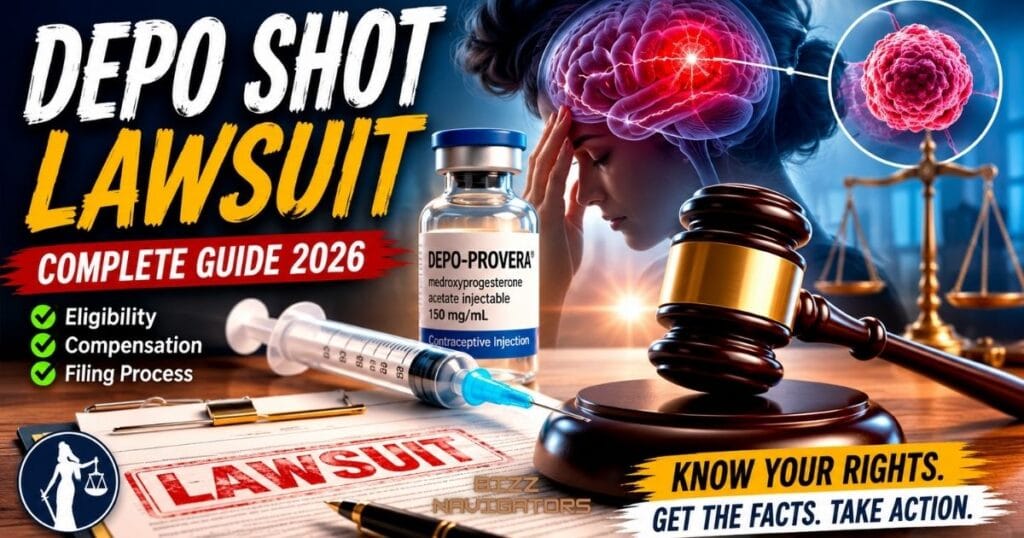
The Depo Shot lawsuit has become a major focus in pharmaceutical litigation as women across the United States pursue legal claims related to alleged health risks associated with Depo-Provera injections. Many plaintiffs claim they developed serious medical conditions, including meningioma brain tumors, after prolonged use of the contraceptive and were not adequately warned about potential risks.
As litigation expands and new research receives attention, many former and current users are seeking information about eligibility, compensation, and the legal process. This guide explains everything you need to know in one place.
Understanding Depo-Provera and Why Lawsuits Were Filed
What Is the Depo Shot?
Depo-Provera is a prescription birth control injection containing medroxyprogesterone acetate, a synthetic hormone designed to prevent pregnancy. Unlike daily birth control pills, the injection is administered once every three months.
Many women chose this contraceptive option because of its convenience and effectiveness.
Why Are Legal Claims Being Filed?
The Depo Shot Lawsuit generally alleges that manufacturers failed to provide adequate warnings regarding potential risks associated with long-term use.
Plaintiffs claim they may have made different healthcare decisions if stronger safety information had been provided earlier.
Who Is Being Sued?
Most claims focus on Pfizer, the pharmaceutical company associated with the manufacturing and marketing of Depo-Provera. Lawsuits typically argue that the company had a responsibility to properly communicate known or reasonably discoverable risks to consumers and healthcare providers.

Medical Concerns at the Center of the Litigation
What Is a Meningioma?
A meningioma is a tumor that develops in the protective membranes surrounding the brain and spinal cord. While many meningiomas are considered non-cancerous, they can still cause significant health complications due to pressure on nearby tissues.
Common Symptoms Reported by Patients
Women diagnosed with meningioma may experience:
Persistent headaches
Vision disturbances
Hearing changes
Memory difficulties
Dizziness
Balance problems
Seizures
Nausea and vomiting
Symptoms often develop gradually, which can delay diagnosis.
The Role of Scientific Research
Medical studies are an important part of pharmaceutical litigation. Researchers continue to examine whether long-term exposure to certain hormone-based medications may contribute to an increased risk of meningioma development.
Scientific evidence often becomes a key factor in determining liability and causation in court proceedings.
Timeline of Events Leading to the Depo Shot Lawsuit
Key Developments
Early Market Introduction
Depo-Provera became widely used as a long-term contraceptive option.
Growing Safety Discussions
Researchers began evaluating potential long-term effects associated with hormone exposure.
Publication of Medical Studies
New studies have increased attention on possible links between hormonal medications and meningioma risks.
Increased Legal Filings
Women diagnosed with brain tumors started filing lawsuits against manufacturers.
Ongoing Litigation in 2026
Courts continue to evaluate claims, scientific evidence, and case management procedures.
Who May Qualify for a Depo Shot Lawsuit?
Eligibility depends on individual circumstances.
Potential Qualification Factors
You may have a potential claim if:
You used Depo-Provera injections.
You were diagnosed with a meningioma.
Medical records confirm the diagnosis.
You suffered financial, physical, or emotional damages.
Your healthcare history supports a connection between usage and injury.
Factors That May Strengthen a Case
Long-term use of the medication
Surgical treatment for a tumor
Extensive medical expenses
Permanent neurological effects
Loss of earning capacity

Evidence That Can Help Support a Claim
Medical Documentation
Strong cases often include:
Physician records
Diagnostic reports
MRI scans
CT scans
Surgical reports
Pathology findings
Proof of Depo Shot Use
Useful records may include:
Pharmacy records
Prescription histories
Insurance claims
Physician treatment records
Financial Evidence
Claimants may also gather:
Medical bills
Wage loss records
Employment documentation
Rehabilitation expenses
What Compensation May Be Available?
Compensation varies depending on the severity of injuries and supporting evidence.
Common Categories of Damages
| Compensation Type | Purpose |
| Medical Expenses | Past and future treatment costs |
| Lost Income | Missed work and reduced earnings |
| Future Care Costs | Long-term healthcare needs |
| Pain and Suffering | Physical and emotional impacts |
| Loss of Quality of Life | Lifestyle limitations |
| Wrongful Death Damages | Available in qualifying cases |
Factors Affecting Settlement Value
Several factors may influence compensation:
Severity of injury
Duration of treatment
Age of the claimant
Medical expenses incurred
Future healthcare needs
Strength of evidence
Understanding Potential Settlement Tiers
Although no attorney can guarantee compensation, cases involving surgery, permanent impairment, or significant neurological damage may generally receive greater consideration than claims involving less severe injuries.
Depo Shot Lawsuit Filing Process
Step 1: Obtain Medical Evaluation
Seek medical attention if you experience symptoms that may be related to a meningioma diagnosis.
Step 2: Gather Supporting Documentation
Collect medical records, prescription histories, and financial documents.
Step 3: Preserve Important Evidence
Keep copies of diagnostic reports and treatment records.
Step 4: Legal Case Review
An attorney may evaluate whether your circumstances meet eligibility requirements.
Step 5: Filing and Litigation
If appropriate, a formal claim may be filed and proceed through the legal process.
MDL vs. Class Action: Understanding the Difference
What Is MDL?
Multidistrict Litigation (MDL) allows similar lawsuits to be coordinated before one court for efficiency while preserving each plaintiff’s individual claim.
What Is a Class Action?
In a class action lawsuit, one case represents a larger group of individuals collectively.
Why This Difference Matters
Many pharmaceutical injury claims proceed through MDL structures because injuries and damages differ significantly among plaintiffs.
Common Mistakes That Can Hurt a Depo Shot Lawsuit Claim
Many claimants unknowingly weaken their cases by making avoidable mistakes.
Delaying Medical Treatment
Waiting too long to seek medical attention may create challenges when establishing a timeline of symptoms.
Losing Important Records
Prescription records and diagnostic reports often play a critical role in proving a claim.
Missing Filing Deadlines
Every state imposes legal deadlines that may affect eligibility.
Failing to Document Symptoms
Maintaining detailed records of symptoms and treatments can strengthen a case.
Ignoring Follow-Up Care
Consistent medical treatment helps establish the seriousness of a condition.
Recent Depo Shot Lawsuit Updates for 2026
Ongoing Case Investigations
Legal teams continue reviewing claims involving long-term Depo Shot Lawsuit use and meningioma diagnoses.
Court Proceedings Continue
Courts are evaluating scientific evidence, expert testimony, and procedural matters that may shape future litigation.
Continued Research
Researchers and medical experts continue studying the relationship between hormonal medications and brain tumor risks.
Because litigation remains active, future developments could influence settlement discussions and case outcomes.
Frequently Asked Questions
Is there a Depo Shot class action lawsuit?
Most legal analysts expect many claims to proceed through coordinated litigation rather than a traditional class action structure.
Can former users file a claim?
Possibly. Eligibility depends on medical history, diagnosis, and applicable filing deadlines.
Is a settlement guaranteed?
No. Every case is unique, and outcomes depend on evidence, legal arguments, and court decisions.
How long can a lawsuit take?
Pharmaceutical litigation often takes months or years, depending on case complexity and court schedules.
What if symptoms appeared years later?
Some injuries are diagnosed long after exposure. Filing rights may depend on state laws and the discovery rule.
Key Takeaways
The Depo Shot lawsuit centers on allegations involving meningioma brain tumors and inadequate risk warnings.
Eligibility often requires proof of Depo-Provera use and a qualifying diagnosis.
Medical records, imaging studies, and prescription histories are important evidence.
Compensation may include medical expenses, lost wages, and pain and suffering damages.
Filing deadlines vary and can significantly affect legal rights.
Ongoing scientific research and court proceedings continue to shape litigation in 2026.
Conclusion
The Depo Shot lawsuit remains an evolving area of pharmaceutical litigation. Women who used Depo-Provera and later developed serious medical conditions are increasingly exploring their legal options. Understanding eligibility requirements, preserving evidence, and staying informed about ongoing developments can help potential claimants make informed decisions.
As research continues and courts evaluate new evidence, the legal landscape surrounding Depo-Provera claims is expected to remain an important topic throughout 2026 and beyond.

At BizzNavigators, we answer the questions you’re actually searching for, honestly and clearly. We check our facts before we publish anything, and if we’re not sure about something, we tell you instead of guessing. Whatever you’re looking for- a tech fix, a business tip, or a simple how-to- we want to give you an answer you can trust.