
What Are Bishop Sleeves?
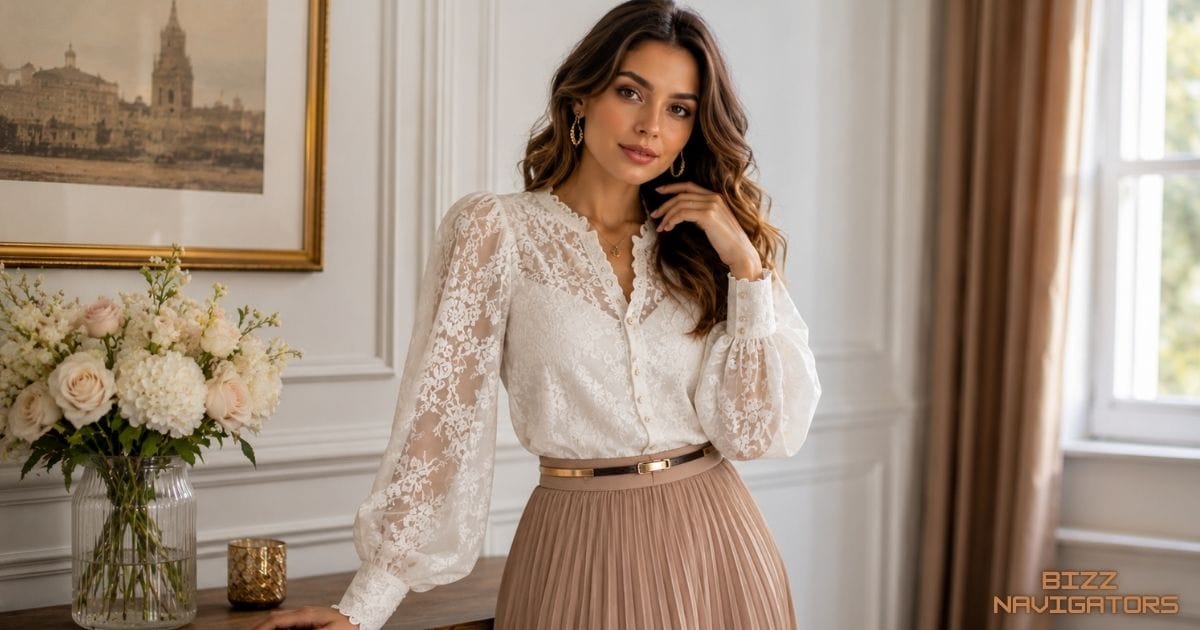
Bishop sleeves are one of the most recognizable sleeve styles in fashion, admired for their elegant shape and graceful movement. They are designed to fit comfortably around the upper arm, gradually become fuller toward the wrist, and finish with gathers secured by a cuff, elastic band, or smocking.
This unique construction creates a soft, flowing silhouette that adds sophistication to both casual and formal clothing. Unlike trendy sleeve designs that quickly go out of fashion, bishop sleeves have remained popular for decades because they combine comfort with timeless style.
Whether featured on a romantic blouse, an evening dress, or a cozy sweater, they bring volume without overwhelming the overall design. Today, bishop sleeves appear in runway collections, bridal wear, office attire, and everyday fashion, making them one of the most versatile sleeve styles available.
Why Are They Called Bishop Sleeves?
The name “bishop sleeve” comes from historical garments worn by bishops and clergy members. Their robes often featured long, loose sleeves gathered neatly at the wrist. Over time, fashion designers adapted this distinctive silhouette into women’s clothing, transforming it into a refined design element that continues to influence modern apparel.
Although today’s bishop sleeves have evolved with contemporary trends, they still retain the defining characteristic of fullness gathered into a fitted wrist finish.
Key Characteristics of Bishop Sleeves
Several features distinguish sleeves from other sleeve designs.
Soft Volume
The sleeve widens gradually from the upper arm toward the wrist, creating elegant fullness instead of dramatic bulk.
Gathered Wrist Finish
The excess fabric is evenly gathered before attaching a cuff, elastic casing, or smocked band, giving the sleeve its signature appearance.
Comfortable Fit
Because the sleeve is loose through the forearm, it allows greater freedom of movement than many fitted sleeve styles.
Versatile Design
Sleeves work equally well with casual shirts, formal gowns, wedding dresses, sweaters, and designer blouses.
Different Types of Bishop Sleeves
Fashion designers continue to reinterpret sleeves in creative ways. Choosing the right variation depends on the garment, fabric, and overall style.
Classic Bishop Sleeve
The traditional bishop sleeve features generous fullness that gathers into a structured button cuff. It remains the most common version for dresses and elegant blouses.
Half Bishop Sleeve
Ending below the elbow, the half bishop sleeve offers the same graceful shape while providing greater comfort during warmer months.
Elastic Bishop Sleeve
Instead of using a stitched cuff, this variation finishes with hidden elastic. It is simple to sew and ideal for casual wear.
Smocked Bishop Sleeve
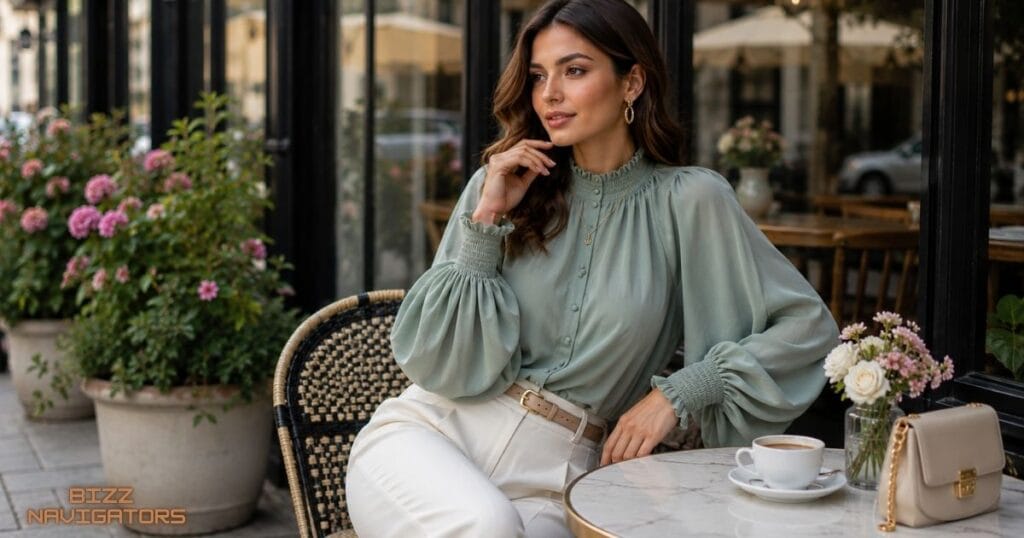
Decorative smocking replaces the traditional cuff, creating texture while allowing the sleeve to stretch comfortably.
Wide-Cuff Bishop Sleeve
A deeper cuff creates a polished appearance that works especially well with office wear and tailored garments.
Ruffled Bishop Sleeve
Adding a ruffle above or below the cuff introduces a feminine touch that complements vintage-inspired and romantic fashion.
Bishop Sleeves vs. Similar Sleeve Styles
Although several sleeve styles appear similar, each creates a different silhouette.
| Sleeve Style | Volume | Wrist Finish | Best For |
| Bishop Sleeve | Gradual fullness | Gathered cuff or elastic | Dresses, blouses, shirts |
| Balloon Sleeve | Rounded volume | Gathered hem | Statement fashion |
| Bell Sleeve | Continuous flare | Open hem | Bohemian outfits |
| Poet Sleeve | Loose throughout | Soft cuff | Historical and vintage clothing |
| Lantern Sleeve | Structured fullness | Shaped construction | High-fashion garments |
This comparison helps designers and shoppers select the sleeve style that best complements their desired look.
Choosing the Best Fabric for Sleeves
Fabric plays a major role in determining how sleeves drape and move.
Lightweight Fabrics
Chiffon, georgette, rayon, silk, and voile produce soft gathers and elegant movement. These fabrics are perfect for evening wear and flowing dresses.
Medium-Weight Fabrics
Cotton poplin, crepe, linen blends, and lightweight satin provide structure while maintaining the sleeve’s graceful appearance.
Knit Fabrics
Jersey and lightweight sweater knits are excellent choices for bishop sleeve sweaters because they offer flexibility without sacrificing comfort.
Fabrics to Avoid
Very stiff or heavy materials can make the gathers bulky and reduce the natural flow that defines sleeves.
Expert Tip: If you are sewing sleeves for the first time, choose cotton poplin or rayon. These fabrics are easier to control during gathering than slippery silk or heavyweight materials.

Clothing That Features Sleeves
One reason bishop sleeves remain popular is their remarkable versatility. Designers incorporate them into many different garments.
Elegant evening dresses
Casual summer dresses
Office blouses
Button-up shirts
Knit sweaters
Bridal gowns
Tunics
Fashion jackets
Traditional garments
Occasion wear
Their ability to suit both minimalist and dramatic designs makes them a favorite among fashion designers.
How to Style Bishop Sleeves
Because sleeves naturally create volume, balancing the rest of the outfit is important.
For casual outfits, pair a bishop sleeve blouse with slim-fit jeans or tailored trousers. This combination creates a balanced silhouette without looking oversized.
For professional settings, choose neutral-colored bishop sleeve shirts with pencil skirts or structured pants. Minimal accessories help keep the sleeves as the focal point.
During evening events, satin or chiffon bishop sleeve dresses paired with elegant heels create a timeless appearance.
Layering also requires thoughtful styling. Fitted blazers and lightweight cardigans preserve the sleeve shape better than oversized outerwear.
Who Looks Best in Bishop Sleeves?
Sleeves flatter a wide variety of body types.
People with narrow shoulders often benefit from the additional upper-body volume, while pear-shaped figures can use sleeves to create better visual balance.
Petite individuals should select sleeves with moderate fullness instead of exaggerated volume. Taller people can comfortably wear more dramatic sleeves without overwhelming their proportions.
Rather than following trends alone, choosing the right sleeve volume for your frame creates the most flattering result.
How to Draft a Bishop Sleeve Pattern
Drafting a bishop sleeve pattern is straightforward once you have a basic sleeve block. The key is adding controlled fullness while maintaining the original sleeve cap so it fits the garment correctly.
Step 1: Prepare the Base Pattern
Start with a standard long-sleeve pattern that matches your bodice armhole. Mark the grainline and identify the wrist and elbow points before making any adjustments.
Step 2: Create Additional Width
Draw several vertical lines from the sleeve cap to the wrist, spacing them evenly across the pattern.
Cut along these lines, leaving a small hinge at the sleeve cap. Spread each section evenly on fresh pattern paper to add fullness. The more you spread the sections, the fuller the finished sleeve will appear.
Step 3: Redraw the Pattern
Smooth the outer edges and redraw the wrist line. Extend the sleeve length slightly if you want more dramatic gathers above the cuff.
Finally, add seam allowances and mark notches to make sewing easier.
Step-by-Step Sewing Guide
A well-made bishop sleeve depends on accurate gathering and careful pressing. Follow these steps for a professional finish.
Gather Your Materials
Before starting, prepare:
Fabric
Matching thread
Sleeve pattern
Fabric scissors or rotary cutter
Pins or clips
Sewing machine
Iron and ironing board
Measuring tape
Cut the Fabric
Lay the pattern on the fabric following the grainline. Cut both sleeves accurately and transfer all notches and markings.
Sew the Underarm Seam
Place the fabric right sides together and stitch the underarm seam. Finish the raw edge using a serger or zigzag stitch to prevent fraying.
Create Even Gathers
Sew two rows of long gathering stitches near the wrist edge.
Pull both bobbin threads slowly until the sleeve opening matches the cuff measurement. Spread the gathers evenly instead of allowing them to bunch together.
Attach the Cuff
With right sides together, pin the cuff to the gathered sleeve edge.
Stitch carefully while keeping the gathers evenly distributed. Press the seam toward the cuff for a crisp finish.
Set the Sleeve Into the Garment
Insert the completed sleeve into the armhole and match all notches before stitching.
Finish the seam allowance and give the entire sleeve a final press.
Professional Tip: Press after every major sewing step. Frequent pressing creates cleaner seams and gives the finished garment a polished, store-quality appearance.

Common Mistakes to Avoid
Even experienced sewists occasionally encounter problems when making bishop sleeves. Avoid these common mistakes for better results.
Uneven Gathers
Gather the fabric gradually and adjust the fullness before permanently stitching the cuff.
Excessive Fullness
Adding too much width can make the sleeve bulky rather than elegant. Balance the amount of fullness with the weight of your fabric.
Poor Fabric Choice
Heavy fabrics often produce stiff gathers. Lightweight or medium-weight materials create softer movement.
Incorrect Cuff Measurements
A cuff that is too tight restricts movement, while one that is too loose loses the sleeve’s signature shape.
Skipping Pattern Markings
Always transfer notches and grainlines accurately. These markings ensure both sleeves are symmetrical.
Creative Ways to Customize Bishop Sleeves
One bishop sleeve pattern can produce many different fashion styles with simple modifications.
Popular customization ideas include:
Decorative lace cuffs
Pearl or metal buttons
Embroidered cuffs
Contrast fabric cuffs
Pleated wrists instead of gathers
Elastic finishes for casual garments
Layered ruffles
Sheer sleeve panels
Decorative topstitching
Small design changes allow you to create unique garments without redrafting the entire sleeve.
Caring for Bishop Sleeve Garments
Proper care helps maintain the sleeve’s elegant shape.
Wash delicate fabrics according to their care labels, using a gentle cycle or handwashing when appropriate.
Steam garments instead of applying heavy ironing pressure directly onto gathered sections.
Store dresses and blouses on padded hangers to prevent wrinkles and preserve the sleeve’s natural drape.
For seasonal garments, use breathable garment bags to protect delicate fabrics from dust and moisture.
Why Bishop Sleeves Continue to Trend
Fashion trends change every season, but sleeves consistently return because they combine timeless elegance with modern versatility.
Designers regularly feature them in bridal collections, luxury fashion, knitwear, evening dresses, and everyday blouses. Their soft volume photographs beautifully, making them especially popular in editorial fashion and social media styling.
Unlike highly exaggerated sleeve trends, sleeves remain wearable for both formal occasions and everyday outfits, ensuring they never truly go out of style.

Key Takeaways
Bishop sleeves are a timeless design feature that combines elegance, comfort, and versatility. Their signature gathered wrist, flowing silhouette, and adaptable construction make them suitable for dresses, blouses, sweaters, and formal wear alike.
Whether you’re purchasing ready-made clothing or sewing your own garment, choosing the right fabric, drafting the pattern correctly, and distributing gathers evenly will produce the best results. With thoughtful styling and proper care, sleeves remain a fashionable choice that works across seasons and occasions.
Frequently Asked Questions
What makes a bishop sleeve different from a balloon sleeve?
A bishop sleeve gradually widens and gathers neatly into a cuff or elastic finish, while a balloon sleeve creates a rounder, fuller shape that often ends with a gathered hem.
Are bishop sleeves flattering on all body types?
Yes. They suit most body shapes when the sleeve volume is proportional to the wearer’s frame.
Which fabric creates the best sleeves?
Lightweight fabrics such as chiffon, rayon, georgette, silk, and cotton voile create the softest drape, while cotton poplin and crepe offer more structure.
Are bishop sleeves difficult to sew?
No. Beginners can successfully sew sleeves by following a well-drafted pattern and taking time to create even gathers.
Can sleeves be short?
Yes. Half-and-three-quarter sleeves are popular for spring and summer garments.
Are bishop sleeves suitable for office wear?
Absolutely. A bishop sleeve blouse paired with tailored trousers or a pencil skirt creates a polished, professional look.
Can sleeves be added to an existing pattern?
Yes. Many standard sleeve patterns can be converted into sleeves by adding width and gathering the wrist area.
Conclusion
Bishop sleeves have earned their place as one of fashion’s most enduring sleeve styles. Their graceful volume, comfortable fit, and endless design possibilities make them a valuable addition to any wardrobe or sewing project. Whether you appreciate classic tailoring or modern fashion trends, understanding how to style, draft, sew, and care for bishop sleeves allows you to create garments that remain elegant for years to come.

At BizzNavigators, we answer the questions you’re actually searching for, honestly and clearly. We check our facts before we publish anything, and if we’re not sure about something, we tell you instead of guessing. Whatever you’re looking for- a tech fix, a business tip, or a simple how-to- we want to give you an answer you can trust.