
What Are Aquatic Greens?
Aquatic greens are nutrient-rich plants and algae that grow naturally in freshwater and marine environments. Packed with vitamins, minerals, antioxidants, and plant-based protein, aquatic greens have become a popular choice for people looking to support overall health through natural nutrition. Well-known examples include spirulina, chlorella, sea lettuce, watercress, and duckweed.
Unlike traditional leafy vegetables, aquatics greens thrive in water and offer a unique combination of nutrients in both fresh and supplement forms. Whether you’re curious about their health benefits, nutritional value, popular products like Perfect Supplements Aquatic Greens, or how to choose the right option, this guide covers everything you need to know before adding aquatic greens to your daily routine.
Why Are Aquatic Greens Becoming More Popular?
Several factors have contributed to the growing demand for aquatic greens:
Rich source of essential nutrients
Suitable for many plant-based diets
Sustainable cultivation compared to many land crops
Convenient supplement options
Increasing scientific interest in algae nutrition
Their versatility makes them attractive to individuals looking for nutrient-dense foods that can complement a balanced lifestyle.
Different Types of Aquatic Greens You Should Know
Aquatic greens include a wide variety of edible species, each offering unique nutritional benefits and culinary uses.
Microalgae
Microalgae are microscopic organisms that have become some of the world’s most recognized superfoods.
Popular examples include:
Spirulina
Chlorella
These varieties are especially valued because they contain concentrated nutrients in relatively small servings.
Freshwater Edible Plants
Several freshwater plants have been consumed for centuries across different cultures.
Examples include:
Watercress
Water spinach
Duckweed
Lotus leaves
Many of these plants are naturally rich in vitamins and minerals while adding fresh flavor to salads, soups, and stir-fries.
Marine Sea Vegetables
Sea vegetables grow in saltwater environments and are widely used in Asian cuisine.
Common examples include:
Sea lettuce
Wakame
Nori
Dulse
These aquatics greens often provide natural iodine along with various trace minerals.
Floating Edible Plants
Some floating aquatic species are edible when grown under safe and controlled conditions. They are increasingly studied because of their rapid growth and impressive nutritional value.
Wild Aquatic Greens
In certain regions, edible marsh plants and naturally growing aquatic vegetation are traditionally harvested for food or animal forage. However, wild harvesting should only be done when proper plant identification and water quality are confirmed.
Nutritional Profile of Aquatic Greens
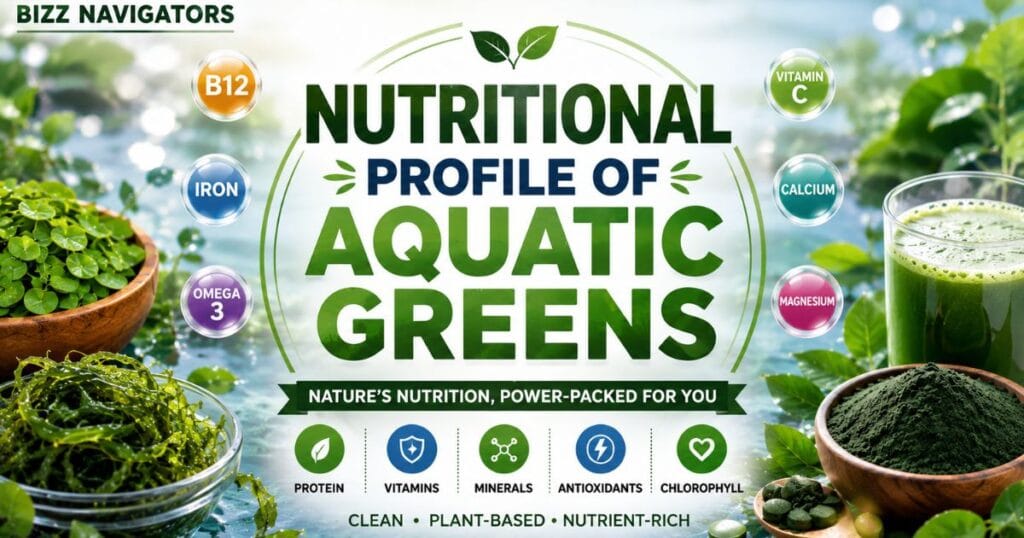
One reason aquatic greens receive so much attention is their exceptional nutrient density. Although nutritional values vary by species, most aquatic greens provide an impressive combination of essential nutrients.
Vitamins
Many aquatic greens naturally contain:
Vitamin A
Vitamin C
Vitamin E
Vitamin K
Several B vitamins
These nutrients support normal body functions, including immune health and energy metabolism.
Minerals
Aquatic greens can supply valuable minerals such as:
Iron
Magnesium
Calcium
Potassium
Zinc
Mineral content depends on the growing environment and processing methods.
Plant-Based Protein
Certain aquatic greens, particularly spirulina, are recognized for their high protein content. This makes them popular among vegetarians, vegans, and individuals seeking additional plant protein sources.
Antioxidants and Chlorophyll
Many aquatic greens contain natural antioxidants that help protect cells from oxidative stress. Chlorophyll also contributes to their vibrant green color and plays a role in plant nutrition.
Healthy Fatty Acids
Some aquatic algae provide beneficial fatty acids, including small amounts of omega-3s, which support overall wellness.
Top Health Benefits of Aquatic Greens
Although aquatics greens should not replace a balanced diet or medical treatment, research suggests they may support several aspects of general health.
May Support Immune Function
Many aquatics greens contain antioxidants, vitamins, and minerals that help maintain a healthy immune system as part of a nutritious diet.
Helps Maintain Natural Energy
Iron, B vitamins, and plant protein contribute to normal energy production. Many users include aquatic greens in their daily routine to support overall vitality.
Supports Digestive Wellness
Some aquatic greens provide fiber and naturally occurring compounds that may help support digestive balance when consumed regularly.
Promotes Heart Health
Certain aquatic greens contain antioxidants and nutrients that support cardiovascular wellness when combined with healthy lifestyle habits.
Helps Protect Against Oxidative Stress
Oxidative stress occurs when harmful free radicals outnumber the body’s natural defenses. Antioxidants found in aquatics greens help neutralize these unstable molecules.
Supports Healthy Skin and Hair
The combination of vitamins, minerals, amino acids, and antioxidants found in many aquatics greens contributes to healthy skin and normal hair growth as part of a balanced diet.
May Assist Natural Detoxification
Some algae, particularly chlorella, have been studied for their potential role in supporting the body’s natural detoxification processes. More research is still needed, but current findings remain promising.
Spirulina vs. Chlorella: Which Aquatic Green Is Better?
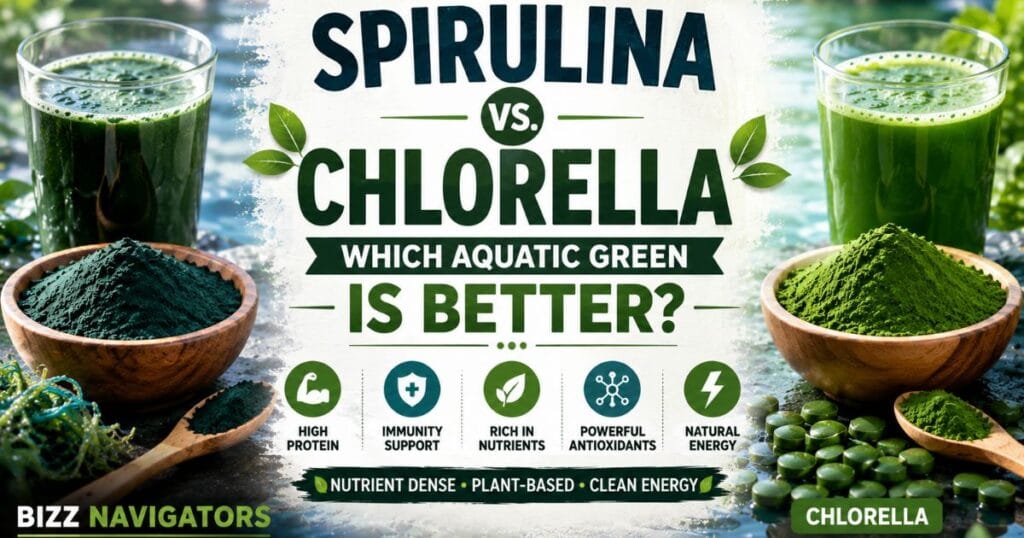
Spirulina and chlorella are among the most popular aquatic greens available today. While they share many nutritional similarities, each offers unique characteristics.
| Feature | Spirulina | Chlorella |
| Protein Content | Very high | High |
| Cell Structure | Easy to digest | Requires broken-cell processing for better absorption |
| Chlorophyll | Moderate | Very high |
| Iron Content | Excellent | Good |
| Detox Support | Moderate | Often highlighted in research |
| Taste | Mild earthy flavor | Stronger green flavor |
When Spirulina May Be the Better Choice
Spirulina is often preferred by individuals looking to increase their protein intake while benefiting from naturally occurring antioxidants and essential amino acids.
When Chlorella May Be More Suitable
Broken-cell chlorella is valued for its high chlorophyll concentration and nutrient availability. Many people choose it as part of their wellness routine because of its broad nutritional profile.
Rather than selecting one over the other, many premium supplements combine both ingredients to provide complementary nutritional benefits.
Perfect Supplements Aquatic Greens: What Makes It Different?
One product frequently searched by consumers is Perfect Supplements Aquatic Greens, a dietary supplement formulated with organic spirulina and organic broken-cell chlorella.
Its formula focuses on delivering two nutrient-dense aquatics greens without unnecessary fillers or artificial additives.
Key Ingredients
The supplement primarily contains:
Organic Spirulina
Organic Broken-Cell Chlorella
This combination provides a wide range of naturally occurring nutrients, including plant protein, chlorophyll, vitamins, minerals, and antioxidants.
Who May Benefit?
Perfect Supplements Aquatic Greens may appeal to:
Individuals seeking convenient daily greens
Vegetarians and vegans
Busy professionals
Fitness enthusiasts
People looking to diversify their nutrient intake
While supplements can complement a healthy diet, they should not replace whole foods. Consulting a healthcare professional is recommended before starting any new supplement, especially for individuals with existing medical conditions or those taking prescription medications.
How to Add Aquatic Greens to Your Daily Diet
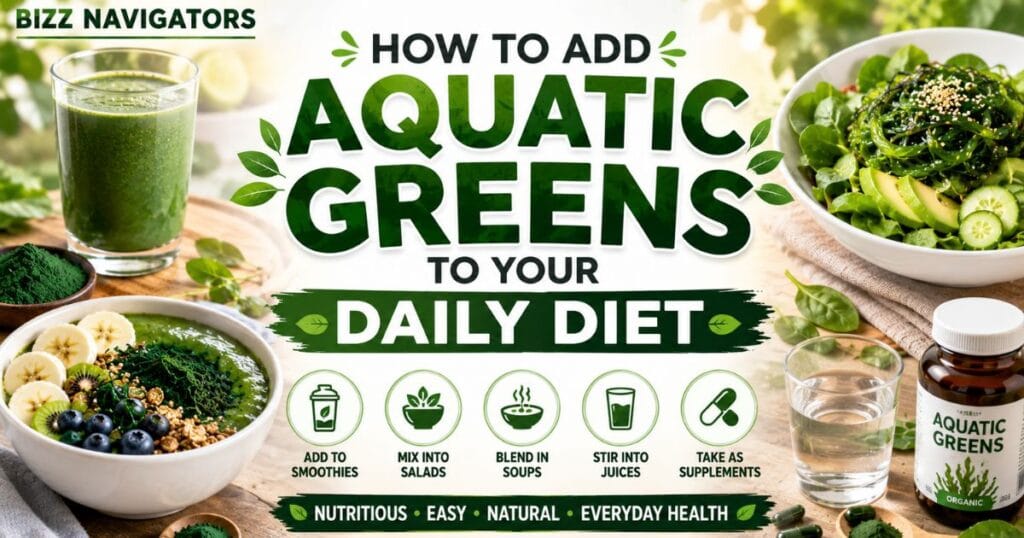
Incorporating aquatic greens into your routine is easier than many people expect. Whether you prefer whole foods or convenient supplements, there are several practical options.
Smoothies
Blend spirulina or chlorella powder with fruits, yogurt, or plant-based milk to create a nutrient-rich breakfast smoothie.
Capsules
Capsules offer a simple solution for people who dislike the taste of powdered greens while maintaining consistent daily intake.
Fresh Recipes
Edible aquatic vegetables such as watercress or sea lettuce can enhance salads, soups, sandwiches, and stir-fries with both flavor and nutrition.
Juices
A small serving of aquatic green powder can be mixed into fresh vegetable or fruit juice for an easy nutritional boost.
Daily Usage Tips
For the best experience:
Follow the serving size recommended on the product label.
Start with a smaller amount if you’re new to aquatics greens.
Store powders in a cool, dry place.
Pair aquatics greens with a balanced diet rather than relying on supplements alone.
By choosing high-quality products and using them consistently, aquatic greens can become a practical addition to a healthy eating pattern.
How to Choose High-Quality Aquatic Greens
Not all aquatic greens offer the same nutritional value. Their quality depends on where they are grown, how they are processed, and whether they undergo independent testing. Choosing a reputable product helps ensure you receive clean, nutrient-rich ingredients.
Look for Organic Certification
Organic certification indicates that the ingredients were produced according to recognized organic farming standards. This can reduce exposure to unwanted chemicals and improve transparency.
Check for Third-Party Testing
Independent laboratory testing helps verify product purity and detect contaminants such as heavy metals, harmful bacteria, and other impurities that aquatic plants may absorb from the water.
Review the Ingredient List
A quality aquatic greens supplement should have a straightforward ingredient list. Products with unnecessary fillers, artificial colors, or excessive sweeteners may not provide the same nutritional value.
Consider the Source
Manufacturers that clearly explain where their spirulina, chlorella, or other aquatic greens are grown often demonstrate stronger quality control practices.
Evaluate Processing Methods
Some ingredients, such as chlorella, require broken-cell processing to improve nutrient absorption. Understanding how a product is processed can help you make a more informed decision.
Aquatic Greens Farm: How These Nutrient-Rich Plants Are Grown
Modern aquatic greens farms use controlled cultivation techniques to produce safe and consistent crops. Depending on the species, greens may be grown in freshwater ponds, closed cultivation systems, or marine environments.
Sustainable Growing Practices
Many farms focus on sustainability because aquatics greens generally require less land than traditional crops. Efficient water management and responsible harvesting methods can also reduce environmental impact.
Indoor vs. Outdoor Cultivation
Indoor cultivation offers greater control over temperature, light, and water quality, helping produce consistent results year-round. Outdoor farms rely more on natural conditions but can still maintain high standards when managed properly.
Harvesting and Drying
After harvesting, aquatic greens are carefully washed, dried, and processed to preserve nutrients. Gentle drying methods help maintain the quality of vitamins, minerals, and antioxidants.
Quality Assurance
Reputable farms regularly test their growing environments and finished products. This extra step helps ensure the greens meet safety and quality standards before reaching consumers.
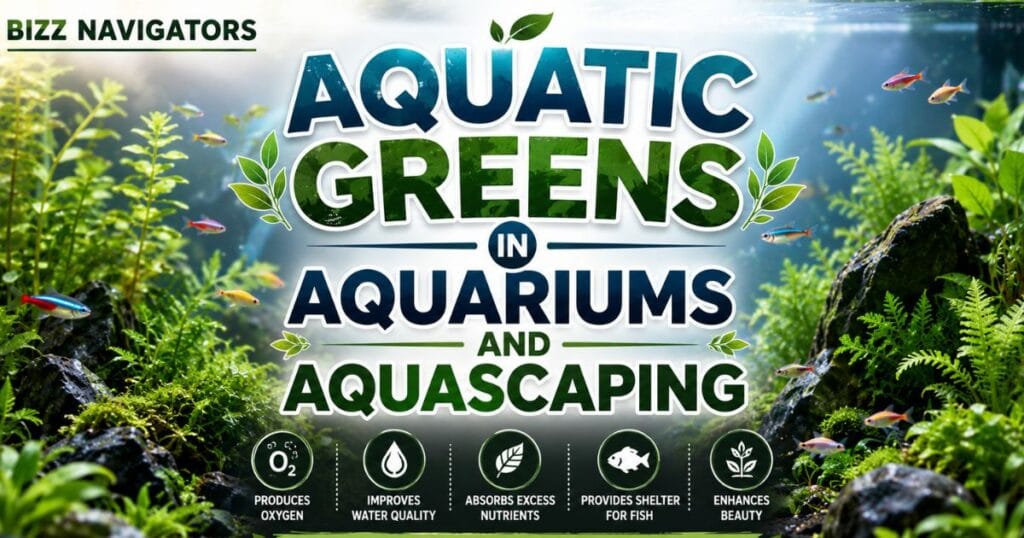
Aquatic Greens in Aquariums and Aquascaping
The term aquatic greens is also associated with aquarium plants. While these plants are generally not grown for human consumption, they play an important role in creating healthy aquatic ecosystems.
Benefits of Aquarium Plants
Healthy aquatic plants can:
Produce oxygen for fish and other aquatic life
Help maintain water quality
Absorb excess nutrients
Provide natural shelter for fish
Enhance the visual appeal of an aquarium
Choosing Plants for Your Aquarium
Your selection should match your aquarium’s size, lighting, and water conditions. Beginners often start with hardy plants because they require less maintenance.
Basic Care Tips
Successful aquarium planting depends on:
Proper lighting
Balanced nutrients
Stable water parameters
Regular pruning
Appropriate substrate
With consistent care, aquatic plants can create a thriving aquascape that benefits both fish and plant life.
Greene Aquatic Center: Understanding the Difference
Some people searching for Greene Aquatic Center expect information related to aquatics greens because the search terms appear similar. In reality, these are entirely different topics.
A Greene Aquatic Center typically refers to a swimming facility, recreation center, or sports complex rather than edible aquatic plants or nutritional supplements.
Understanding this distinction can help you find more relevant information based on your search intent.
Aquatic Greens vs. Traditional Green Superfoods
Many people wonder how aquatics greens compare with familiar green vegetables and superfoods.
| Feature | Aquatic Greens | Traditional Greens |
| Growing Environment | Water | Soil |
| Protein Content | Often higher in algae | Usually moderate |
| Chlorophyll | Very high | High |
| Mineral Density | Often concentrated | Varies by vegetable |
| Common Forms | Powder, capsules, fresh | Fresh, frozen, cooked |
| Examples | Spirulina, chlorella, sea lettuce | Spinach, kale, wheatgrass |
Traditional vegetables remain an essential part of a healthy diet. Aquatic greens can complement them by providing additional nutrients rather than replacing them.
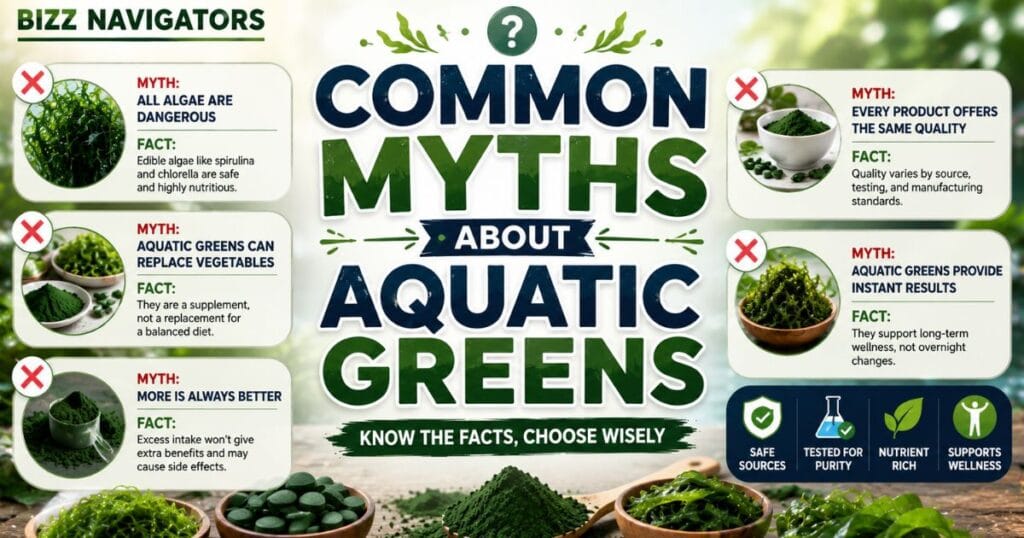
Common Myths About Aquatic Greens
Misinformation often leads to unrealistic expectations. Here are a few common myths.
Myth: All Algae Are Dangerous
Only certain algae species are harmful. Edible varieties such as spirulina and properly processed chlorella are cultivated under controlled conditions for human consumption.
Myth: Aquatic Greens Can Replace Vegetables
Aquatics greens are nutritional supplements or complementary foods. They should support, not replace, a varied diet rich in fruits and vegetables.
Myth: More Is Always Better
Taking more than the recommended serving does not necessarily provide greater benefits. Following the suggested serving size is generally the safest approach.
Myth: Every Product Offers the Same Quality
Quality varies significantly between manufacturers. Production methods, testing, ingredient sourcing, and certifications all influence the final product.
Key Takeaways
Aquatic greens include edible aquatic plants, sea vegetables, and nutrient-rich microalgae.
Spirulina and chlorella are among the most widely consumed aquatics greens.
These foods naturally provide protein, vitamins, minerals, chlorophyll, and antioxidants.
High-quality products should be sourced responsibly and tested for purity.
Aquatic greens work best as part of a balanced diet rather than a replacement for whole foods.
Sustainable aquatic farming continues to make these nutrient-dense foods more accessible worldwide.
Frequently Asked Questions
Are aquatic greens safe to consume every day?
Most healthy adults can include aquatic greens in their daily routine when consumed according to the manufacturer’s recommendations. If you have a medical condition, are pregnant, or take prescription medications, consult your healthcare provider first.
What is the best time to take aquatic greens?
There is no universal best time. Many people take them with breakfast or lunch to fit their daily routine.
Can aquatic greens help with weight management?
Aquatic greens are nutrient-dense but are not a weight-loss solution. They may support a balanced eating plan when combined with healthy nutrition and regular physical activity.
Are aquatic greens suitable for vegans?
Yes. Most spirulina, chlorella, and similar aquatic greens are plant-based and suitable for vegan and vegetarian diets. Always check the product label for additional ingredients.
How should aquatic greens be stored?
Store powders and capsules in a cool, dry place away from direct sunlight. Always follow the storage instructions printed on the packaging.
Can aquatic greens replace a multivitamin?
Aquatic greens contain many valuable nutrients, but they should not automatically replace a multivitamin or a balanced diet unless advised by a healthcare professional.
Final Thoughts
Aquatic greens are a simple yet powerful way to add more vitamins, minerals, antioxidants, and plant-based nutrition to your daily diet. Whether you choose fresh aquatic plants or supplements like Perfect Supplements Aquatic Greens, selecting high-quality, tested products is essential for getting the best nutritional value.
As interest in sustainable nutrition continues to grow, aquatic greens are becoming an increasingly popular choice for supporting overall wellness. By understanding their benefits, uses, and quality standards, you can confidently decide if aquatic greens are the right addition to your healthy lifestyle.

At BizzNavigators, we answer the questions you’re actually searching for, honestly and clearly. We check our facts before we publish anything, and if we’re not sure about something, we tell you instead of guessing. Whatever you’re looking for- a tech fix, a business tip, or a simple how-to- we want to give you an answer you can trust.