
How much is a cow? The answer depends on its breed, age, health, purpose, and location. In 2026, most mature cows in the United States typically cost between $2,400 and $4,400, while dairy, breeding, and premium cattle can sell for significantly more.
This guide explains current cow prices, the factors that affect their value, ownership costs, and practical buying tips so you can make an informed decision before purchasing.
What Determines How Much a Cow Costs?
Before comparing prices, it’s important to understand why two cows that appear similar can have very different values. Buyers should look beyond the asking price and evaluate the animal’s overall quality, productivity, and long-term value.
Breed Has the Biggest Impact on Price
Different cattle breeds are developed for different purposes. Dairy breeds are selected for milk production, while beef breeds are raised for meat quality. Some breeds also have stronger genetics, better fertility, or greater disease resistance, making them more valuable.
Popular breeds such as Holstein, Angus, Jersey, Hereford, Highland, and Brahman often sell within different price ranges because they serve different farming goals.
Age and Growth Stage Matter
A young calf usually costs less than a mature cow because it still requires time, feed, and care before becoming productive. Mature cows that are already producing milk or are ready for breeding generally command higher prices.
Likewise, older cows nearing the end of their productive years may sell for less than healthy middle-aged animals.
Health and Physical Condition
Healthy cattle almost always justify a higher purchase price. Buyers should check for:
Bright, alert eyes
Healthy coat condition
Normal walking movement
Strong body condition
Proper vaccination history
Veterinary records, when available
A lower-priced cow may become expensive if hidden health problems lead to treatment costs later.
Purpose of the Purchase
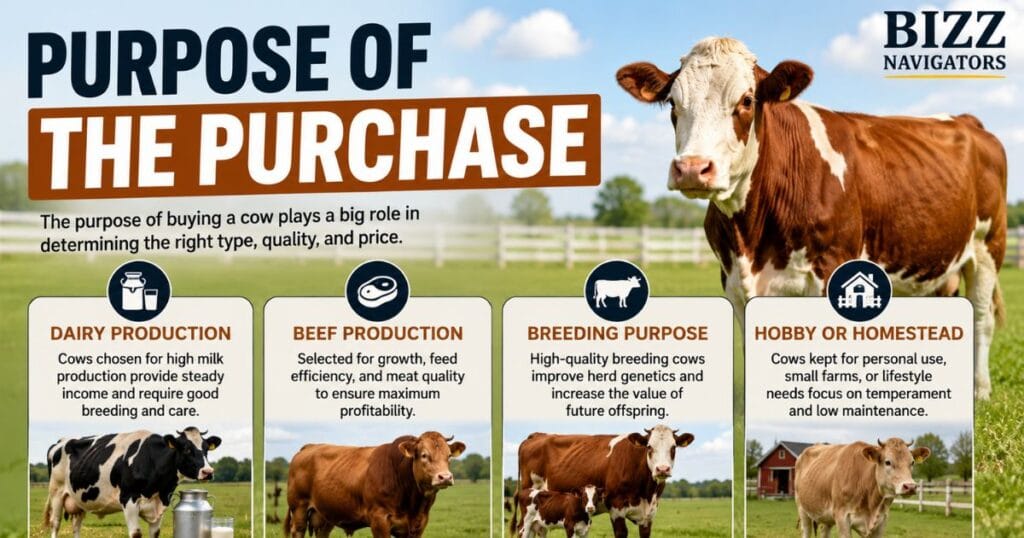
The intended use of the animal greatly affects its market value.
| Purpose | Typical Value |
| Dairy production | Higher due to milk yield |
| Beef farming | Based mainly on weight and genetics |
| Breeding | Premium pricing for quality bloodlines |
| Homestead or hobby farm | Varies depending on temperament and age |
Buying the right type of cow for your goals is often more important than simply finding the lowest price.
Average Cow Prices by Type in 2026
While prices differ across regions and livestock markets, the following estimates provide a useful benchmark for most buyers.
| Cow Type | Estimated Price Range (USD) |
| Young calf | $400–$1,200 |
| Feeder cattle | $900–$2,000 |
| Mature beef cow | $2,400–$4,400 |
| Dairy cow | $1,800–$4,500 |
| Bred cow | $2,800–$5,500 |
| Cow-calf pair | $3,000–$6,500 |
| Registered breeding cow | $5,000+ |
Note: Prices can be significantly higher for elite genetics, show-quality cattle, or animals with exceptional production records.
Beef Cattle vs. Dairy Cattle
Many first-time buyers assume all cows are priced the same, but beef and dairy cattle are valued differently because they generate income in different ways.
Beef Cattle
Beef cattle are primarily raised for meat production. Their value depends on body weight, muscle development, feed efficiency, and genetics.
Well-bred beef cows often produce strong calves that offer better returns over multiple seasons.
Dairy Cattle
Dairy cows are purchased mainly for milk production. Their price is influenced by:
Daily milk output
Lactation history
Udder health
Breeding records
Fertility
Overall productivity
High-producing dairy cows generally cost more because they can recover their purchase price through milk sales over time.
Cow Prices by Popular Breeds
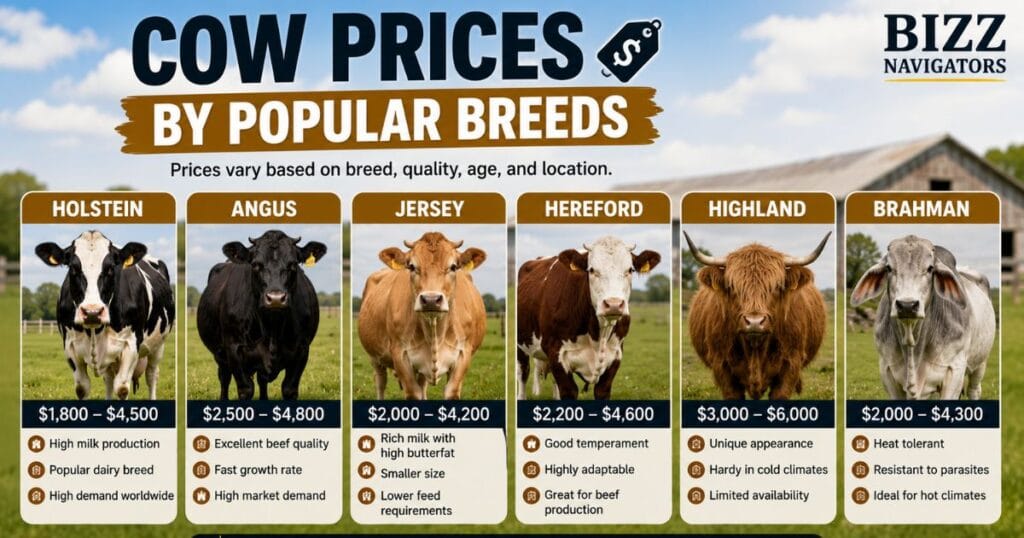
Breed selection plays a major role in determining both the purchase price and long-term profitability.
Holstein
Holsteins are among the world’s best-known dairy breeds because of their exceptional milk production. Healthy, productive Holstein cows often fall into the higher price range for commercial dairy operations.
Angus
Angus cattle remain one of the most popular beef breeds due to excellent meat quality, rapid growth, and strong market demand. Registered Angus breeding stock typically commands premium prices.
Jersey
Jersey cows are smaller than Holsteins but produce rich milk with a high butterfat content. Their lower feed requirements make them attractive for small farms.
Hereford
Known for their calm temperament and adaptability, Hereford cattle are widely used in beef production and generally offer good value for commercial farmers.
Highland
Highland cattle stand out because of their distinctive long hair and ability to thrive in colder climates. Their unique appearance and limited availability often make them more expensive than standard beef breeds.
Brahman
Brahman cattle perform well in hot climates and resist parasites better than many other breeds. These characteristics make them popular in tropical and subtropical regions.
Does Location Affect Cow Prices?
Absolutely. Even identical cows can have different prices depending on where they are sold.
Some of the biggest regional factors include:
Local demand for cattle
Feed availability and costs
Transportation expenses
Weather conditions
Import and export activity
Regional breeding programs
Seasonal livestock demand
For example, dairy-producing regions may offer more competitive prices for milk cows, while beef-producing areas often have stronger markets for feeder cattle and breeding stock.
Similarly, countries with higher feed costs or limited grazing land may experience higher average cattle prices than regions with abundant pasture.
Key Takeaways from Part 1
There is no single answer to how much is a cow because prices vary by breed, age, purpose, and location.
Mature cows generally cost more than calves due to their immediate productivity.
Dairy cows are priced differently from beef cattle because of their earning potential through milk production.
Healthy animals with proven genetics usually provide better long-term value than simply choosing the cheapest option.
Comparing cattle based on quality, not just price, helps buyers make a more profitable investment.
Average Cow Prices Around the World
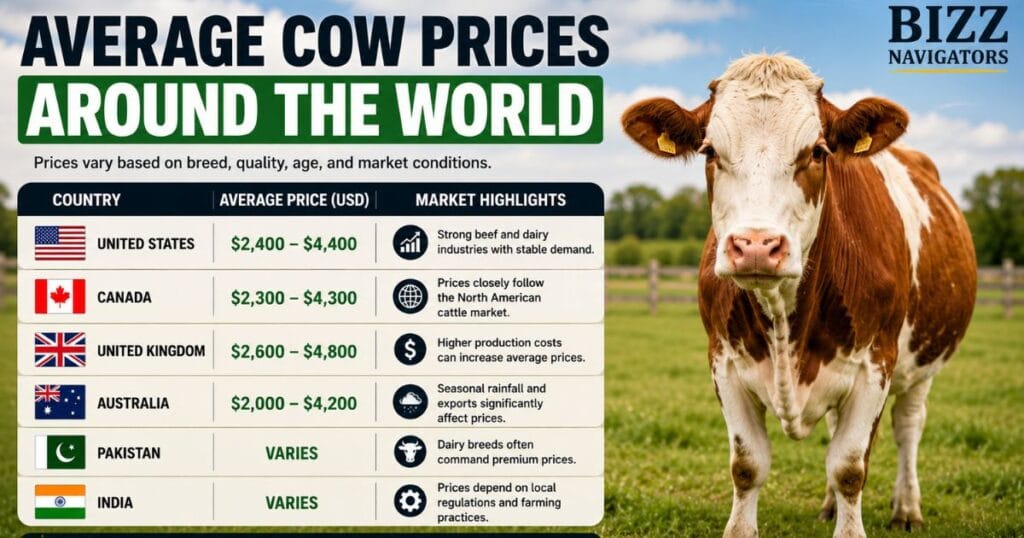
Although cattle markets operate differently in each country, global prices follow similar patterns. Local feed costs, labor, climate, transportation, and consumer demand all influence what buyers pay.
| Country | Average Price Range (USD) | Market Highlights |
| United States | $2,400–$4,400 | Strong beef and dairy industries with stable demand. |
| Canada | $2,300–$4,300 | Prices closely follow the North American cattle market. |
| United Kingdom | $2,600–$4,800 | Higher production costs can increase average prices. |
| Australia | $2,000–$4,200 | Seasonal rainfall and exports significantly affect prices. |
| Pakistan | Varies by breed and milk production | Dairy breeds often command premium prices. |
| India | Varies by state and breed | Prices depend on local regulations and farming practices. |
Keep in mind that currency exchange rates and seasonal market conditions may cause prices to fluctuate throughout the year.
Cow Prices in Pakistan
Pakistan has one of the largest livestock sectors in South Asia, and cow prices vary widely depending on milk production, breed, city, and purpose.
Here is a general overview:
Local dairy cows typically cost less than imported breeds.
Holstein Friesian and Australian Cross cows usually sell at premium prices because of their higher milk yield.
A healthy 20-liter milk cow is generally valued much higher than a lower-producing dairy animal.
Prices in Punjab and Lahore often reflect regional demand, transportation costs, and the availability of quality livestock.
During the Qurbani season, cattle prices frequently rise due to increased demand.
Instead of relying only on online listings, buyers should inspect the animal in person and verify its health, age, and production history before making a purchase.
What Does It Cost to Own a Cow?
The purchase price is only one part of the investment. Long-term ownership expenses often exceed the initial cost over the life of the animal.
Feed and Nutrition
Feed is usually the largest ongoing expense. Costs depend on grazing availability, hay prices, grain supplements, and seasonal conditions.
Veterinary Care
Routine vaccinations, parasite control, pregnancy checks, and emergency treatments help maintain herd health and reduce future losses.
Housing and Fencing
Cows require secure fencing, clean shelter, reliable water access, and enough space to move comfortably.
Equipment and Maintenance
Additional expenses may include:
Feeders and water troughs
Milking equipment for dairy farms
Bedding materials
Transportation
Farm repairs
Planning for these recurring costs helps prevent unexpected financial pressure after purchasing cattle.
Where Can You Buy a Cow?
Choosing the right seller is just as important as choosing the right animal.
Livestock Auctions
Auctions offer a wide selection of cattle and competitive pricing. However, buyers should understand market values before bidding.
Local Farms and Ranches
Buying directly from a reputable farmer allows you to inspect the animal, ask questions about its history, and often receive ongoing advice.
Registered Breeders
If genetics, breeding quality, or milk production are priorities, registered breeders are often the best option despite higher prices.
Online Livestock Marketplaces
Online platforms make comparing listings easier, but buyers should always verify photos, health records, and ownership details before completing a purchase.
Tips for Buying the Right Cow
A careful inspection can save thousands of dollars in future expenses.
Before buying, make sure you:
Check the cow’s overall body condition.
Watch the animal walk to identify possible mobility issues.
Review vaccination and medical records.
Confirm the animal’s age.
Ask about breeding and milk production history.
Compare prices from multiple sellers.
Request veterinary documentation whenever possible.
Avoid making decisions based solely on a low asking price. A healthy, productive cow often provides far greater long-term value.
Is Buying a Cow a Good Investment?
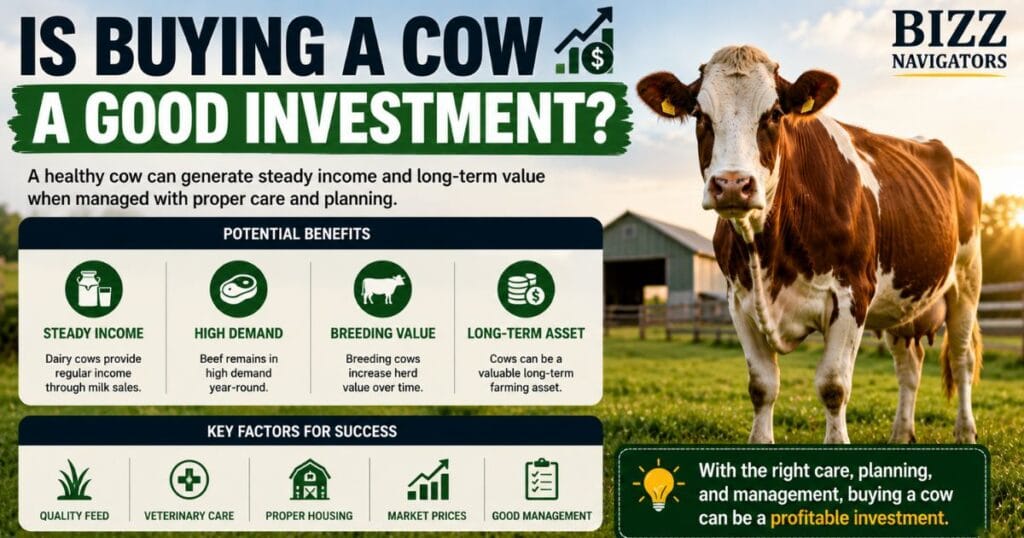
The answer depends on your goals and management skills.
For dairy farmers, a high-producing cow can generate steady income through milk sales if feed and operating costs remain under control.
For beef producers, profitability depends on breeding success, feed efficiency, market timing, and cattle prices.
Small homesteads may benefit from owning a family milk cow, while commercial farms typically focus on maximizing productivity across an entire herd.
Successful cattle ownership requires careful budgeting, proper nutrition, disease prevention, and sound management practices rather than simply purchasing the cheapest animal available.
Conclusion
Knowing how much is a cow means looking beyond the purchase price. Factors like breed, age, health, milk production, and location all influence its true value. In 2026, most mature cows in the United States will cost between $2,400 and $4,400, but total ownership costs, including feed, veterinary care, and housing, are just as important.
Before buying, compare sellers, inspect the animal carefully, and choose a healthy cow that fits your farming goals to get the best long-term value.
Frequently Asked Questions
How much is a normal cow worth?
A healthy mature cow in the United States generally costs between $2,400 and $4,400, although prices vary by breed, location, and intended use.
How much does a dairy cow cost?
Most dairy cows range from $1,800 to $4,500, with exceptional milk-producing animals selling for more.
How much is a beef cow?
Beef cows commonly sell between $2,400 and $4,400, depending on weight, genetics, and market demand.
How much is a Highland cow?
Highland cattle often cost more than standard beef breeds because of their distinctive appearance, limited supply, and breeding value.
How much is half a cow?
Buying half a processed cow generally costs significantly less per pound than purchasing individual retail cuts. Final pricing depends on hanging weight, processing fees, and local beef prices.
How much meat comes from half a cow?
A half cow typically provides approximately 200–300 pounds of packaged beef, depending on the animal’s size and the selected cuts.
Is buying a whole cow cheaper?
Yes. Purchasing a whole cow usually offers the lowest cost per pound, making it a popular option for large families, restaurants, and buyers with adequate freezer space.
How much does a cow cost in Pakistan?
Prices vary by breed, milk production, age, and city. Premium dairy breeds such as Holstein Friesian and Australian Cross cows generally cost more than local breeds.

At BizzNavigators, we answer the questions you’re actually searching for, honestly and clearly. We check our facts before we publish anything, and if we’re not sure about something, we tell you instead of guessing. Whatever you’re looking for- a tech fix, a business tip, or a simple how-to- we want to give you an answer you can trust.