
Understanding Heater Problems Before You Start Repairs
How to fix heater usually gives warning signs before it stops working completely. Weak airflow, uneven temperatures, strange sounds, rising electricity bills, or a heater that turns on and off repeatedly often indicate that something needs attention.
The good news is that many heating issues have simple causes that homeowners can identify themselves. In some cases, a quick adjustment restores warmth within minutes.
However, gas leaks, electrical burning smells, and damaged wiring require immediate professional assistance.
Why Is My Heater Not Working? The Most Common Reasons
Many homeowners ask, “How to fix heater?” when temperatures suddenly drop. The answer often comes down to a few common problems.
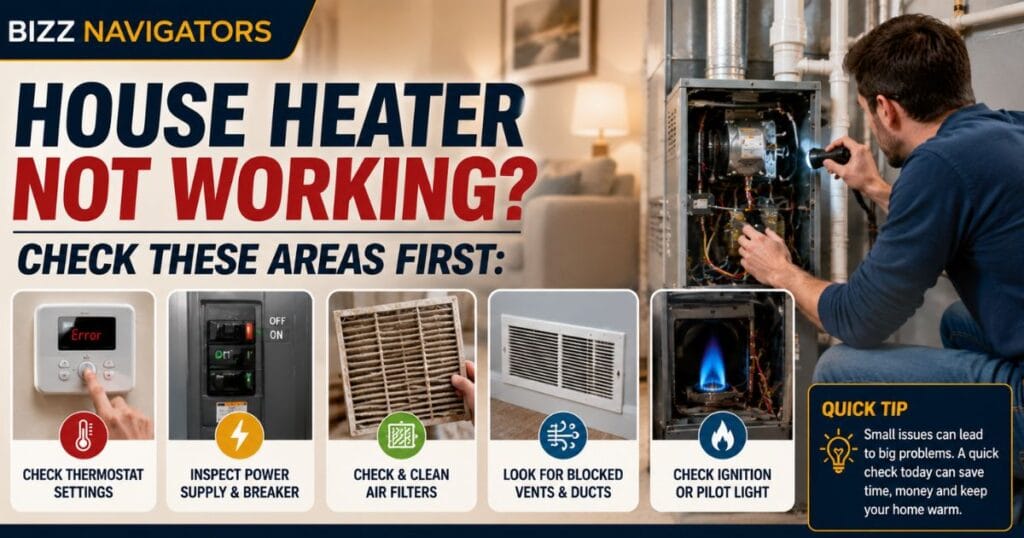
Thermostat Settings Are Incorrect
A thermostat accidentally switched to cooling mode can make it appear that the heater has failed.
Check that:
The thermostat is set to “Heat.”
The temperature setting is higher than the room temperature.
Batteries are not depleted.
The display is functioning normally.
Smart thermostats may also lose programming after power outages.
The Circuit Breaker Has Tripped
Modern heating systems depend on a steady electrical supply.
Visit your electrical panel and inspect the breaker connected to the heating system. If it has moved to the middle position, reset it once.
If the breaker trips repeatedly, stop troubleshooting and call an electrician because an electrical fault may exist.
Dirty Filters Restrict Airflow
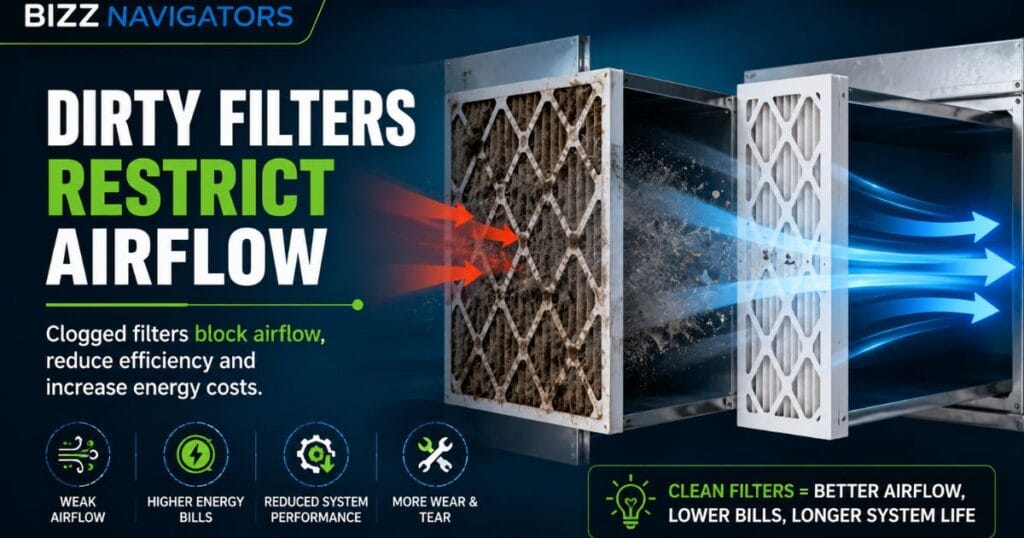
A clogged air filter forces the heater to work harder while producing less heat.
Common symptoms include:
Weak airflow
Higher energy bills
Short heating cycles
Overheating shutdowns
Replacing filters every one to three months improves efficiency and extends equipment life.
Vents and Ducts Are Blocked
Furniture, curtains, rugs, and dust buildup can prevent warm air from circulating properly.
Walk through your home and ensure all vents remain open and unobstructed.
Step-by-Step Guide: How to Fix Heater Troubleshooting Checklist
Before assuming the worst, follow this simple inspection process.
Step 1: Confirm Power Is Reaching the Unit
Check whether:
The heater switch is on.
The breaker is active.
The power cord is secure.
The wall outlet is functioning.
This step solves more problems than most homeowners expect.
Step 2: Inspect the Thermostat
Raise the thermostat temperature by several degrees and wait a few minutes.
Listen carefully for:
A clicking sound from the thermostat.
The furnace fan is starting.
Warm air is moving through vents.
If nothing happens, the thermostat itself may require replacement.
Step 3: Examine Air Filters
Remove the filter and hold it toward a light source.
If light struggles to pass through, replace the filter immediately.
A clean filter improves airflow and reduces pressure on heating components.
Step 4: Check Ventilation Paths
Blocked vents create uneven temperatures throughout the house.
Open every supply and return vent to maximize airflow and heating performance.
House Heater Not Working? Check These Areas First
When a house heater not working affecting the entire property, the problem often originates from the central heating system.
Inspect the Furnace Ignition System
Older furnaces use pilot lights, while modern units use electronic igniters.
If the pilot light is out:
1. Turn off the gas supply.
2. Wait several minutes.
3. Follow the manufacturer’s instructions to relight it safely.
Never attempt repairs if you smell gas.
Look for Error Codes
Many newer furnaces display diagnostic codes using flashing lights.
These codes help identify:
Ignition failures
Airflow restrictions
Sensor malfunctions
Pressure switch issues
Your owner’s manual usually explains each code.
Listen for Unusual Noises
Different sounds often indicate different problems.
| Sound | Possible Cause |
| Banging | Expanding ductwork or delayed ignition |
| Squealing | Worn motor bearings or belts |
| Clicking | Ignition or electrical issues |
| Rattling | Loose panels or internal parts |
Ignoring unusual noises often leads to larger repair bills later.
How to Repair Electric Heater Problems Safely
Portable and wall-mounted electric heaters experience different problems than central systems.
Clean Dust and Debris
Dust accumulation acts as insulation and prevents heat from escaping efficiently.
Disconnect power before cleaning:
Air intake grills
Fan blades
Heating elements
Protective covers
Compressed air works well for hard-to-reach areas.
Test the Heating Element
A heater that blows air without producing warmth often has a failed heating element.
Signs include:
Fan operation without heat
Visible damage on coils
Burning smells
Uneven heating
Heating elements are replaceable on many models.
Fix Fan Heaters Blowing Cold Air
Many homeowners wonder how to fix a fan heater blowing cold air.
Possible causes include:
Faulty heating elements
Thermal safety switch activation
Blocked airflow
Damaged thermostats
Allow the heater to cool completely before restarting it.
Why Does My Fan Heater Keep Turning Off?
Repeated shutdowns usually happen because of overheating protection.
Common causes include:
Dust buildup
Covered air vents
Incorrect placement
Internal component failure
Maintaining proper clearance around the heater often resolves the issue.
How to Fix Water Heater Problems
Knowing how to fix water heater issues can prevent expensive emergency repairs.
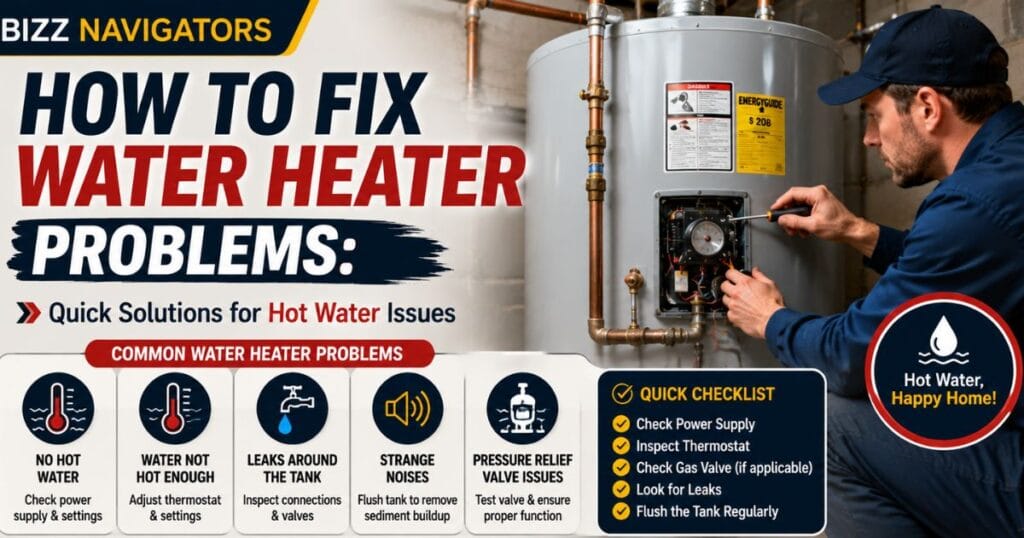
No Hot Water Available
If your water heater stops producing hot water:
Check the power supply.
Inspect the circuit breaker.
Verify thermostat settings.
Confirm the gas valve remains open.
Electric water heaters may have damaged heating elements.
Water Temperature Changes Constantly
Fluctuating temperatures usually indicate thermostat problems or sediment buildup inside the tank.
Flushing the tank annually helps maintain consistent performance.
Water Heater Is Making Noise
Popping and rumbling sounds often result from mineral deposits collecting at the bottom of the tank.
As water heats beneath these deposits, trapped steam creates noise.
Tank flushing typically solves the issue.
Leaks Around the Unit
Small leaks can quickly become serious problems.
Inspect:
Pipe connections
Drain valves
Pressure relief valves
Tank seams
Leaks from the tank body itself usually require replacement rather than repair.
How to Fix Heating and Air Conditioning Systems
Homeowners searching for how to fix heating and air conditioning systems should begin with airflow and thermostat checks.
HVAC systems share many components between heating and cooling modes.
Inspect:
Outdoor units for debris.
Condensate drain lines.
Air filters.
Thermostat communication settings.
Seasonal maintenance prevents most performance issues before they become expensive repairs.
Professional inspections once per year significantly improve reliability and energy efficiency.
When Should You Call a Professional?
Some repairs involve risks that exceed DIY troubleshooting.
Contact a certified technician immediately if you notice:
Burning electrical odors
Gas smells
Water near electrical components
Repeated breaker trips
Carbon monoxide alarms
Visible wiring damage
Attempting these repairs without proper training can create serious safety hazards.
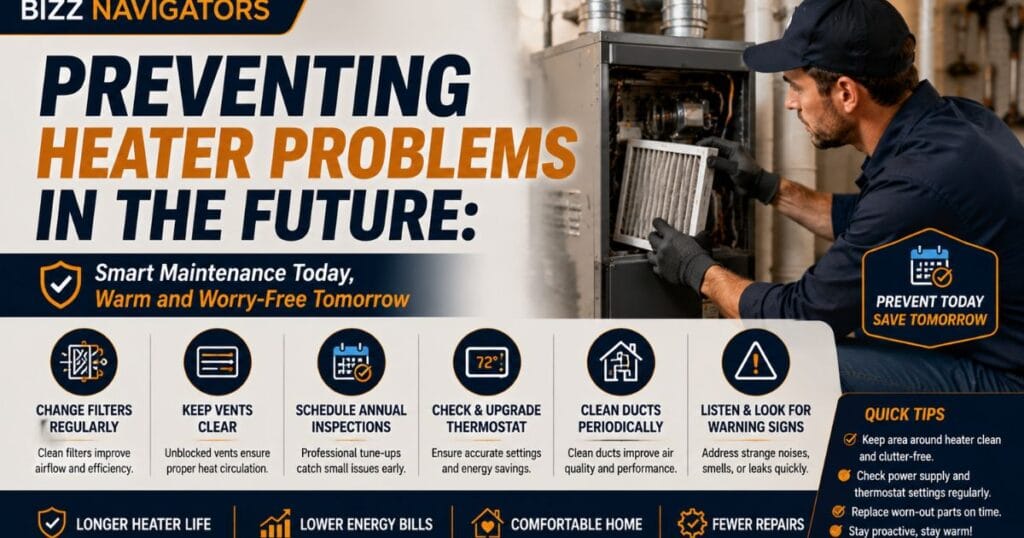
Preventing Heater Problems in the Future
Preventive maintenance costs far less than emergency repairs.
A simple yearly routine includes:
Replace air filters regularly.
Clean vents and registers.
Scheduling annual inspections.
Testing thermostats before winter arrives.
Keeping outdoor HVAC units clear of debris.
These habits improve efficiency while extending equipment lifespan.
Key Takeaways
Most heater failures result from airflow restrictions, thermostat settings, electrical interruptions, or neglected maintenance.
Starting with simple checks often restores heat quickly and avoids unnecessary service calls.
When safety concerns arise, professional assistance remains the smartest choice.
Frequently Asked Questions
Can a heater be repaired instead of replaced?
In most cases, yes — issues with filters, thermostats, igniters, sensors, or electrical components can usually be fixed without a full replacement.
Is it safe to repair a heater yourself?
Simple maintenance like cleaning filters or resetting switches is safe to do yourself. But gas lines, wiring, and internal repairs should always go to a qualified technician.
Why is my wall heater not working?
The most common culprits are a faulty thermostat, a damaged heating element, or a safety switch that’s tripped from overheating.
How much does it cost to fix a heater?
Minor repairs like thermostat replacement or filter cleaning typically cost less, while issues involving electrical components or gas parts can run higher — a professional inspection gives the most accurate estimate.
How do I know if my heater needs repair or replacement?
If your heater is over 10-15 years old, needs frequent repairs, or repair costs exceed half the price of a new unit, replacement is usually the smarter, more cost-effective choice.

At BizzNavigators, we answer the questions you’re actually searching for, honestly and clearly. We check our facts before we publish anything, and if we’re not sure about something, we tell you instead of guessing. Whatever you’re looking for- a tech fix, a business tip, or a simple how-to- we want to give you an answer you can trust.
1 thought on “How to Fix Heater: Quick Fixes for Costly Breakdowns”