

What Is an Endodontist?
Severe tooth pain doesn’t always mean you need a tooth extraction. An endodontist is a dental specialist trained to diagnose tooth pain and treat infections inside the tooth, helping save your natural smile whenever possible. Unlike a general dentist, an endodontist completes two to three years of advanced training focused on complex root canal treatments, dental injuries, and diseases affecting the dental pulp.
Many people believe an endodontist only performs root canals, but these specialists also manage failed root canals, traumatic tooth injuries, and other challenging cases using advanced technology. Choosing an experienced endodontist can improve the chances of preserving your natural tooth while relieving pain effectively.
In this article, you’ll learn what is an endodontist, when you should visit an endodontist, how they differ from other dental specialists, and what to expect during treatment.
Why Endodontics Is an Important Dental Specialty
The word “endodontics” comes from the Greek words endo (inside) and odont (tooth). As the name suggests, this specialty focuses entirely on the tissues located inside a tooth.
The pulp plays an essential role while a tooth is developing. Once a tooth reaches maturity, however, it can continue functioning normally even if the pulp is removed because surrounding tissues continue supplying nourishment.
When bacteria reach the pulp through cavities, cracks, or injuries, the infection can spread quickly. Without prompt treatment, it may lead to severe pain, swelling, bone loss, or even complete tooth loss.
Endodontics exists to stop these problems before they become irreversible. Instead of removing the entire tooth, an endodontist removes only the infected tissue, disinfects the root canals, and seals the tooth to protect it from future infection.
This conservative approach helps patients maintain their natural smile, preserve normal chewing function, and reduce the need for more expensive tooth replacement procedures.
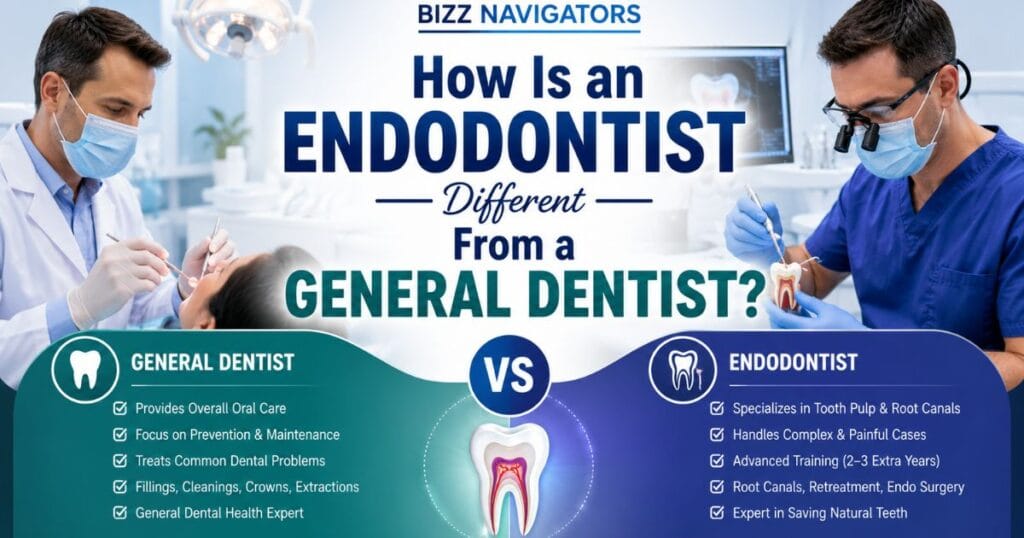
How Is an Endodontist Different From a General Dentist?
General dentists provide preventive care, routine restorations, cleanings, fillings, crowns, and many common dental treatments. They are trained to recognize dental diseases and treat a wide range of oral health conditions.
An endodontist, on the other hand, focuses almost exclusively on conditions affecting the inside of the tooth.
| Feature | General Dentist | Endodontist |
| Primary focus | Overall oral health | Diseases inside the tooth |
| Additional training | Dental school | 2–3 years of specialty residency |
| Root canal experience | Performs routine cases | Handles simple and highly complex cases daily |
| Technology | Standard dental equipment | Dental microscopes, CBCT imaging, advanced endodontic tools |
| Complex infections | May refer patients | Primary specialist for treatment |
General dentists successfully perform many routine root canals. However, when a case involves curved canals, previous failed treatment, dental trauma, persistent infection, or severe pain, patients are often referred to an endodontist because of their specialized knowledge and equipment.
This collaboration ensures patients receive the most appropriate treatment for their specific condition.
Why Would a Dentist Refer You to an Endodontist?
Being referred to an endodontist does not necessarily mean your dental problem is severe. It simply means your dentist believes a specialist can provide the highest level of care for your situation.
Several conditions commonly require referral.
Persistent Tooth Pain
Pain that continues despite routine dental treatment may indicate inflammation or infection deep inside the tooth. An endodontist can identify the exact source using specialized diagnostic methods.
Complex Root Canal Anatomy
Some teeth contain narrow, curved, or unusually shaped root canals that are difficult to treat with standard techniques. Specialized equipment allows endodontists to clean and seal these canals more effectively.
Dental Trauma
Accidents involving chipped, cracked, or knocked-out teeth often require immediate attention from an endodontist. Fast treatment can significantly improve the chances of saving the injured tooth.
Failed Previous Root Canal
A tooth that becomes painful months or years after a root canal may need retreatment. Endodontists are specially trained to remove previous filling materials, eliminate hidden infection, and restore the tooth.
Large Infections Around the Root
Advanced infections sometimes spread beyond the tooth into surrounding bone. These cases often require specialized procedures to eliminate infection while preserving the tooth.
Conditions Commonly Treated by an Endodontist
Although root canals receive the most attention, endodontists treat a wide range of dental conditions involving the tooth’s inner tissues.
Deep Tooth Decay
Untreated cavities gradually move deeper until bacteria reach the pulp. Once this occurs, simple fillings are no longer enough to restore the tooth.
Inflamed Dental Pulp
Inflammation may develop because of repeated dental work, trauma, cracks, or untreated decay. Mild inflammation can sometimes heal, while severe inflammation usually requires endodontic treatment.
Tooth Abscess
A dental abscess is a pocket of infection that develops around the tooth’s root. Symptoms may include severe pain, swelling, sensitivity to pressure, bad taste in the mouth, or fever.
Prompt treatment helps prevent the infection from spreading to nearby tissues.
Cracked Teeth
Small cracks may not always be visible during routine examinations. Endodontists use microscopes and advanced imaging to detect fractures affecting the pulp before they become more serious.
Dental Injuries
Sports accidents, falls, and vehicle collisions can damage the tooth’s blood supply without obvious external signs. Even if a tooth appears normal after an injury, internal damage may require treatment.
Persistent Sensitivity
Sensitivity to hot or cold that lasts several seconds after the stimulus is removed may indicate irreversible pulp damage. An endodontist can determine whether treatment is necessary.
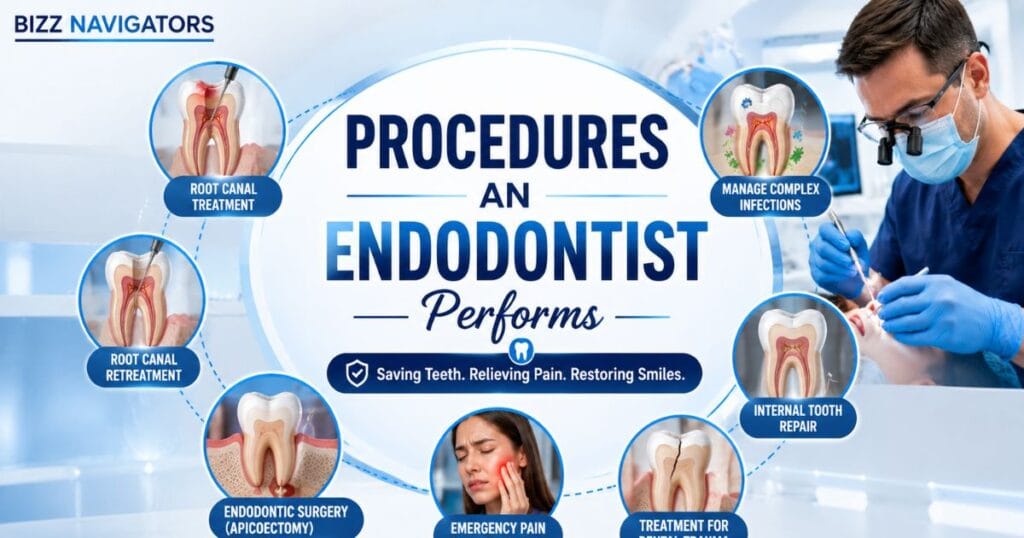
Procedures an Endodontist Performs
Modern endodontic care includes much more than traditional root canal therapy. Specialists use precise techniques designed to preserve natural teeth whenever possible.
Root Canal Treatment
Root canal therapy removes infected or damaged pulp from inside the tooth.
After cleaning and disinfecting the canals, the space is filled with a biocompatible material and sealed to prevent future bacterial contamination. A crown is often recommended afterward to strengthen the tooth.
Contrary to popular belief, modern root canals are performed using effective local anesthesia and are generally no more uncomfortable than receiving a dental filling.
Root Canal Retreatment
Occasionally, a previously treated tooth develops a new infection.
Retreatment involves reopening the tooth, removing the old filling material, thoroughly disinfecting the canals, and sealing them again to promote healing.
Endodontic Microsurgery
When infection persists despite conventional treatment, an endodontist may perform a minor surgical procedure called an apicoectomy.
During this procedure, the infected tissue near the tip of the tooth’s root is removed, allowing the surrounding bone to heal naturally.
Emergency Pain Relief
Patients experiencing severe tooth pain or swelling often require immediate treatment.
Endodontists are trained to quickly identify the cause of pain and provide targeted treatment that relieves symptoms while preserving the affected tooth.
Treatment for Traumatic Dental Injuries
Injuries involving fractured roots, displaced teeth, or knocked-out teeth require specialized care.
Rapid diagnosis and treatment greatly improve the long-term survival of damaged teeth, making prompt evaluation essential after any significant dental injury.
How Does an Endodontist Diagnose Tooth Problems?
Accurate diagnosis is the foundation of successful endodontic treatment. Tooth pain can have many causes, so an endodontist performs several tests before recommending any procedure.
Digital Dental Examination
The specialist begins by reviewing your dental history and examining the affected tooth. They check for swelling, cracks, gum inflammation, and signs of infection.
Digital X-Rays
Digital X-rays provide detailed images of the tooth roots and surrounding bone. They help identify hidden decay, abscesses, bone loss, and previous dental work.
3D CBCT Imaging
Cone Beam Computed Tomography (CBCT) creates a three-dimensional view of the tooth and jaw.
This technology reveals complex root canal anatomy, hidden fractures, and infections that may not appear on traditional X-rays.
Pulp Vitality Tests
Cold, heat, or electric pulp tests measure how the tooth’s nerve responds to stimulation.
These tests help determine whether the pulp is healthy, inflamed, or no longer viable.
Bite and Percussion Tests
The patient may be asked to bite gently, or the tooth may be lightly tapped.
Pain during these tests often helps identify cracked teeth or inflammation around the tooth’s root.
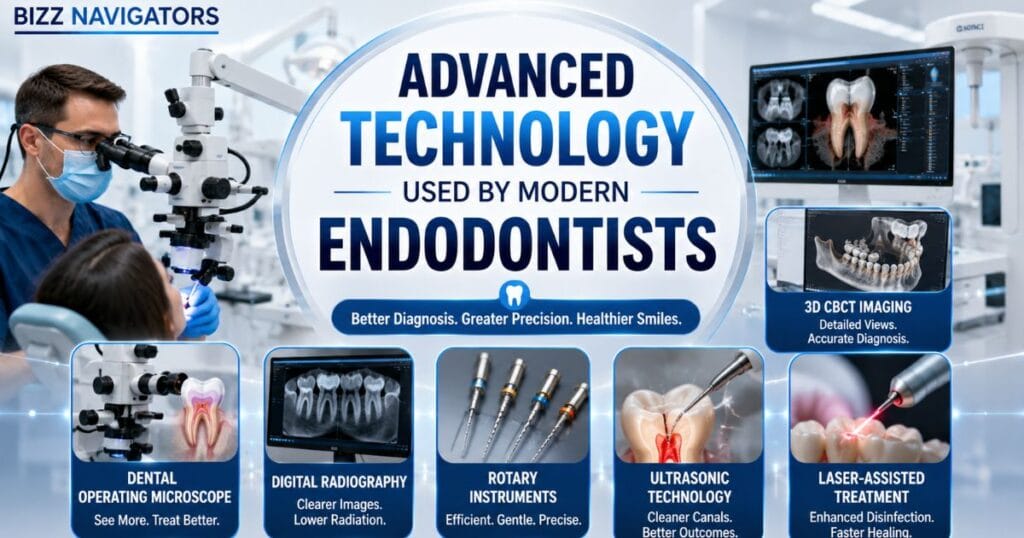
Advanced Technology Used by Modern Endodontists
Modern endodontics has changed dramatically over the past decade. Today’s specialists rely on advanced equipment that improves precision, comfort, and long-term treatment success.
Dental Operating Microscope
High-powered microscopes magnify tiny root canals that are difficult to see with the naked eye.
This allows the specialist to locate hidden canals, remove damaged tissue more accurately, and reduce the risk of missed infections.
Digital Radiography
Digital imaging provides clearer pictures while exposing patients to less radiation than conventional film X-rays.
Rotary Endodontic Instruments
Nickel-titanium rotary files clean and shape root canals efficiently while preserving healthy tooth structure.
Ultrasonic Instruments
Ultrasonic devices help remove old filling materials, broken instruments, and stubborn debris from complex canals.
Laser-Assisted Treatment
Some endodontists use lasers to improve canal disinfection and support faster healing in selected cases.
Although not required for every patient, laser technology can be beneficial in certain situations.
Does Treatment by an Endodontist Hurt?
One of the biggest myths about endodontics is that treatment is extremely painful.
In reality, most patients visit an endodontist because they are already experiencing pain. The treatment is designed to eliminate that discomfort—not increase it.
Local anesthesia keeps the procedure comfortable, and many patients compare a modern root canal to having a routine filling.
After treatment, mild soreness is common for a few days as the surrounding tissues heal. This discomfort is usually manageable with over-the-counter pain medication and gradually improves.
Following your specialist’s instructions, maintaining good oral hygiene, and attending follow-up appointments all contribute to a smooth recovery.
Endodontist vs. Periodontist: What’s the Difference?
Although both are dental specialists, they treat completely different parts of the mouth.
| Feature | Endodontist | Periodontist |
| Primary focus | Inside the tooth (pulp and roots) | Gums and supporting bone |
| Main treatments | Root canals, retreatment, apicoectomy | Gum disease treatment, bone grafts, dental implants |
| Common problems treated | Tooth infection, nerve damage, cracked teeth | Periodontitis, gum recession, loose teeth |
| Goal | Save infected natural teeth | Restore healthy gums and supporting tissues |
If your pain comes from inside the tooth, you will likely need an endodontist.
If the problem affects your gums, jawbone, or tooth-supporting tissues, a periodontist is the appropriate specialist.
In some complex cases, both specialists work together to provide comprehensive treatment.

When Should You Schedule an Appointment?
Do not ignore symptoms that continue for more than a day or two.
Consider seeing an endodontist if you experience:
Severe or throbbing tooth pain
Sensitivity to hot or cold that lingers
Swelling around the gums or jaw
Pain while chewing
A cracked or injured tooth
A pimple-like bump on the gums
A tooth that darkens after trauma
Ongoing pain after a previous root canal
Early treatment often prevents more extensive dental procedures later.
What to Expect During Your First Visit
Knowing what happens during your appointment can make the experience much less stressful.
A typical visit includes:
Reviewing your medical and dental history.
Examining the affected tooth.
Taking digital X-rays or a CBCT scan if needed.
Diagnosing the underlying problem.
Discussing treatment options.
Performing treatment the same day if appropriate.
Most appointments are completed in one or two visits, depending on the complexity of the case.
Recovery After Endodontic Treatment
Healing is generally straightforward when patients follow their aftercare instructions.
During recovery:
Eat soft foods until numbness disappears.
Avoid chewing on the treated tooth until it is permanently restored.
Brush and floss gently around the area.
Take prescribed or recommended medications as directed.
Attend any follow-up appointments.
Most people return to work or normal daily activities within 24 hours.
A permanent crown is often recommended to strengthen the treated tooth and reduce the risk of future fractures.
What Happens 10 Years After a Root Canal?
A properly treated and restored tooth can remain healthy for many years.
Research shows that many root canal-treated teeth continue functioning successfully for decades when they receive appropriate care.
Long-term success depends on several factors, including:
The quality of the original treatment
Timely placement of a permanent crown
Good oral hygiene habits
Regular dental checkups
Avoiding excessive grinding or trauma
If symptoms such as swelling, pain, or recurring infection develop years later, an endodontist may recommend retreatment or endodontic surgery to save the tooth again.

How to Choose the Right Endodontist
Selecting a qualified specialist improves both your treatment experience and long-term outcome.
Consider these factors before making your decision:
Specialized endodontic training
Experience treating complex cases
Modern diagnostic technology
Positive patient reviews
Clear communication and treatment planning
Emergency appointment availability
Don’t hesitate to ask about the specialist’s experience with cases similar to yours.
Frequently Asked Questions
What is the difference between a dentist and an endodontist?
A general dentist provides overall oral healthcare, while an endodontist specializes in diagnosing tooth pain and treating diseases affecting the inside of the tooth, particularly the dental pulp and root canals.
Why would a dentist send you to an endodontist?
Dentists typically refer patients when a tooth requires complex root canal treatment, retreatment, advanced diagnosis, or specialized care following dental trauma.
What is the most painful dental procedure?
Pain varies from person to person, but untreated dental infections often cause more discomfort than modern dental procedures. Thanks to advanced anesthesia and technology, root canal treatment is generally no more uncomfortable than receiving a filling.
What happens 10 years after a root canal?
Many root canal-treated teeth remain healthy for 10 years or much longer. Regular dental care, good oral hygiene, and proper restoration significantly increase long-term success.
Can an endodontist save a badly damaged tooth?
In many cases, yes. Even teeth with severe infections or previous failed root canals can often be preserved using specialized endodontic procedures.
Is every root canal performed by an endodontist?
No. General dentists perform many routine root canals. However, complicated cases are commonly referred to an endodontist because of their advanced training and specialized equipment.
Key Takeaways
An endodontist is a highly trained dental specialist dedicated to diagnosing tooth pain and treating conditions that affect the inside of the tooth. Their expertise extends beyond routine root canal therapy to include retreatment, microsurgery, trauma management, and advanced diagnostic care.
Thanks to specialized training and modern technology, endodontists can often save teeth that might otherwise need extraction. Seeking treatment promptly when symptoms appear not only relieves pain but also improves the chances of preserving your natural smile for many years.
Whether you have persistent tooth discomfort, a cracked tooth, or a failed root canal, consulting an experienced endodontist can help you receive precise, effective, and long-lasting care.

At BizzNavigators, we answer the questions you’re actually searching for, honestly and clearly. We check our facts before we publish anything, and if we’re not sure about something, we tell you instead of guessing. Whatever you’re looking for- a tech fix, a business tip, or a simple how-to- we want to give you an answer you can trust.