
Why a Ducted Mini Split System Is Becoming the Preferred HVAC Solution
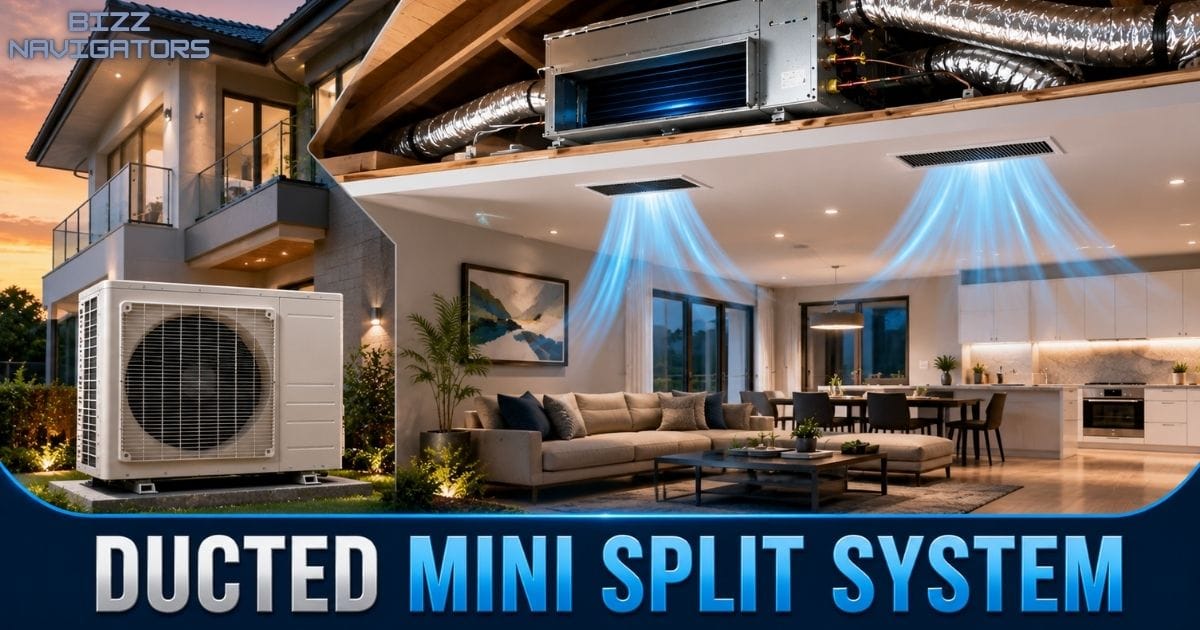
A ducted mini split system combines the energy efficiency of modern heat pump technology with the clean, hidden look of traditional central air. Instead of bulky wall-mounted units, it uses a concealed indoor air handler and short duct runs to deliver quiet, consistent comfort throughout your home.
Whether you’re building a new house or upgrading an older HVAC system, choosing the right solution can significantly reduce energy costs and improve year-round comfort.
This guide covers everything you need to know, from how it works and where it performs best to its key benefits, potential drawbacks, installation tips, and expert advice to help you make a smart buying decision.
What Is a Ducted Mini Split System?
A ducted mini split system is a heat pump-based heating and cooling solution that combines a compact outdoor compressor with a concealed indoor air handler. Instead of relying on a large network of ducts throughout the house, it uses short, well-insulated ductwork to distribute conditioned air efficiently to selected rooms.
Because the indoor unit remains hidden above the ceiling or inside a utility space, homeowners enjoy a cleaner interior without visible wall-mounted equipment.
The system can provide cooling during summer and heating during winter, making it a practical year-round solution for various climates.
Main Components of the System
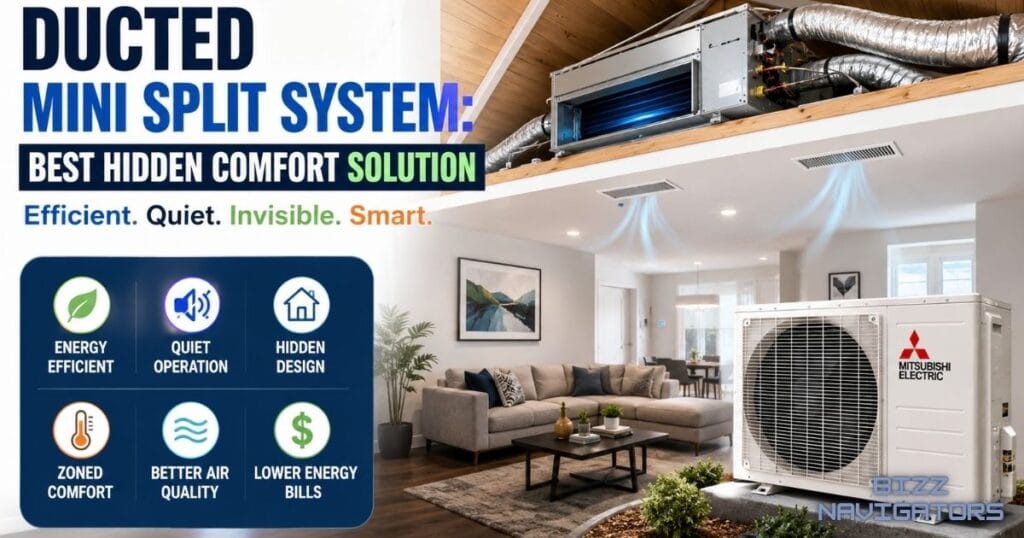
Every ducted mini split system consists of several essential parts working together:
Outdoor condenser or heat pump
Concealed indoor air handler
Compact insulated ducts
Refrigerant lines
Air return and supply vents
Smart thermostat or wireless controller
Each component is engineered to maximize efficiency while maintaining consistent airflow throughout the living space.
How a Ducted Mini Split System Works
Although the design appears simple, the technology behind it is highly efficient.
Outdoor Unit
The outdoor unit absorbs or releases heat depending on whether the home needs cooling or heating. Modern inverter compressors continuously adjust their speed instead of repeatedly turning on and off, reducing energy waste.
Hidden Indoor Air Handler
The indoor unit remains concealed above the ceiling or inside an attic. It quietly conditions the air before sending it through short ducts into different rooms.
Short Duct Network
Unlike conventional central HVAC systems that require extensive duct installations, the ducted mini split system only needs compact duct runs. Shorter ducts reduce energy loss and improve overall system efficiency.
Zoned Comfort
One of the biggest advantages is zoning. Different rooms can maintain different temperatures without heating or cooling the entire home unnecessarily. This targeted approach improves comfort while lowering utility bills.
Ducted Mini Split vs. Ductless Mini Split
Both systems rely on similar heat pump technology, but they serve different homeowner preferences.
| Feature | Ducted Mini Split | Ductless Mini Split |
| Indoor Appearance | Hidden ceiling vents | Visible wall units |
| Air Distribution | Multiple rooms through ducts | Direct room conditioning |
| Interior Design | Minimal visual impact | Indoor units remain visible |
| Installation | Moderate complexity | Easier installation |
| Energy Efficiency | Excellent | Excellent |
| Best For | Whole-home comfort | Individual rooms or additions |
A ducted mini split system is generally the better option for homeowners who value clean interior aesthetics while still wanting individualized temperature control.
Key Benefits That Make This System Worth Considering
Outstanding Energy Efficiency
Traditional HVAC systems often lose conditioned air through long duct networks. Since a ducted mini split system uses shorter ducts and inverter technology, significantly less energy is wasted.
This translates into lower monthly electricity bills and reduced environmental impact.
Hidden Interior Design
Many homeowners dislike seeing indoor HVAC units mounted on walls.
Because the air handler stays hidden, only small supply and return vents remain visible. This creates a cleaner appearance that complements modern interior design.
Consistent Indoor Comfort
Temperature fluctuations are common in older HVAC systems.
A properly sized ducted mini split system continuously adjusts compressor speed, maintaining a more stable indoor climate throughout the day.
Instead of sudden blasts of cold or warm air, the system delivers steady comfort.
Quiet Performance
Modern compressors and insulated indoor components operate with remarkably low noise levels.
In bedrooms, home offices, and study areas, this quieter operation creates a more relaxing environment than many traditional HVAC systems.
Better Humidity Control
Comfort depends on more than temperature.
One feature often overlooked by homeowners is humidity regulation. Efficient moisture removal helps prevent that sticky indoor feeling during humid seasons while reducing the likelihood of mold growth around poorly ventilated areas.
Improved Indoor Air Quality
Because shorter duct systems collect less dust than large traditional duct networks, indoor air often remains cleaner.
When paired with high-quality filters and routine maintenance, a ducted mini split system can help reduce airborne allergens, dust particles, and other contaminants.
Is a Ducted Mini Split System Right for Every Home?
While this technology offers impressive advantages, it isn’t automatically the best solution for every property.
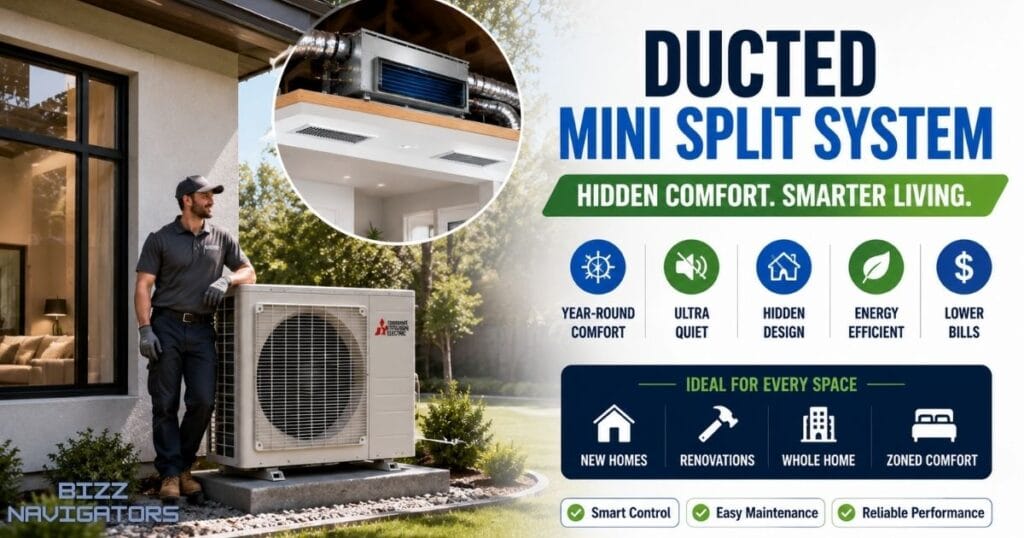
It performs exceptionally well in:
Newly built homes
Major home renovations
Multi-story houses
Luxury residences
Homes requiring discreet HVAC equipment
Small commercial offices
Finished basements
High-performance energy-efficient homes
However, extremely large homes with complex layouts may require multiple indoor units or hybrid HVAC solutions to achieve consistent comfort.
A Factor Most Buyers Overlook
Many purchasing guides focus only on installation costs and energy savings.
An equally important consideration is future flexibility.
If you plan to remodel your home, convert unused attic space, or add extra rooms within the next several years, choosing a system with slightly higher capacity and expansion potential may save substantial upgrade costs later.
Planning for future living needs instead of only current square footage is one of the smartest long-term HVAC decisions homeowners can make.
Choosing the Correct System Size
Buying the largest unit available isn’t always the right decision.
An oversized ducted mini split system reaches the desired temperature too quickly, causing short cycling. This reduces efficiency, increases wear on components, and removes less humidity from indoor air.
An undersized system works continuously without reaching the desired comfort level, increasing electricity consumption and shortening equipment lifespan.
Professional load calculations should consider:
Home size
Ceiling height
Window orientation
Local climate
Insulation quality
Number of occupants
Heat-producing appliances
Air leakage levels
Selecting the correct capacity from the beginning ensures better efficiency, lower operating costs, and longer equipment life.
Installation: What Homeowners Should Expect
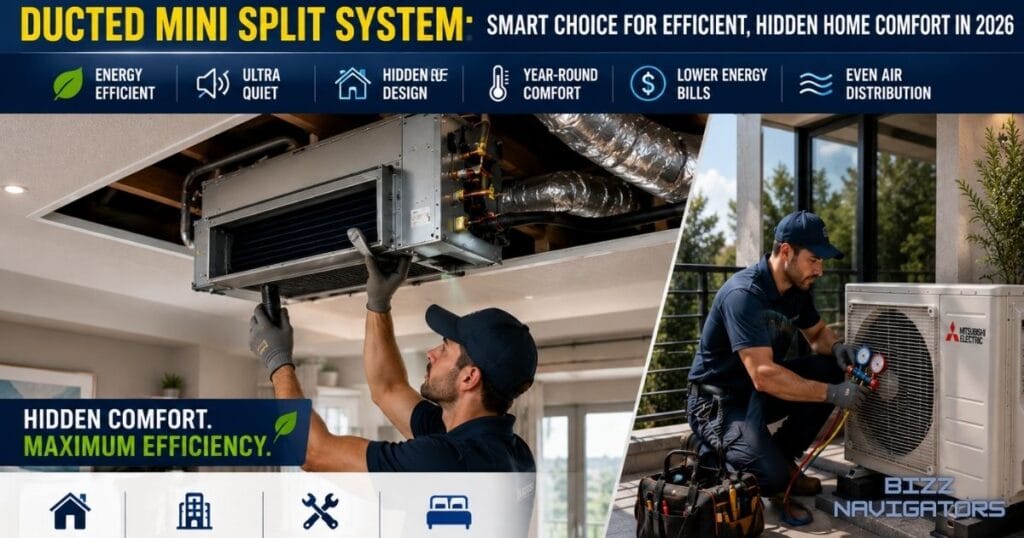
Installing a ducted mini split system requires careful planning rather than simply replacing an old HVAC unit. Proper installation directly affects efficiency, comfort, and long-term reliability.
A professional installation typically includes:
Home Assessment
An HVAC technician evaluates the home’s layout, insulation, windows, ceiling space, and airflow requirements. This helps determine the ideal location for the indoor air handler and outdoor condenser.
Load Calculation
Instead of estimating capacity based only on square footage, professionals calculate heating and cooling loads using multiple factors. This prevents the common problems associated with oversized or undersized systems.
Duct Design
Even though ductwork is minimal, its design matters. Properly insulated, sealed, and balanced ducts improve airflow while minimizing energy loss.
Testing and Commissioning
Before the project is complete, technicians should verify refrigerant pressure, airflow, thermostat communication, drainage, and overall system performance to ensure everything operates as intended.
Common Mistakes That Reduce Performance
One topic many homeowners rarely encounter in buying guides is how installation mistakes can impact long-term efficiency.
Avoid these common issues:
Choosing a system based only on price.
Ignoring professional load calculations.
Installing poorly insulated ductwork.
Blocking return air vents with furniture.
Skipping annual maintenance.
Using low-quality air filters.
Selecting an inexperienced installer.
Avoiding these mistakes can significantly extend the lifespan of a ducted mini split system while maintaining its energy efficiency.
Smart Features That Add Long-Term Value
Today’s homeowners expect more than simple heating and cooling.
Many modern ducted mini split system models include smart features such as:
Wi-Fi connectivity
Smartphone app control
Voice assistant compatibility
Programmable schedules
Vacation mode
Energy usage monitoring
Automatic temperature adjustment
These features help reduce unnecessary energy consumption while improving convenience.
Best Brands Worth Considering
Several manufacturers consistently produce reliable concealed duct systems. While the best choice depends on your budget and climate, these brands have built strong reputations for efficiency and durability.
Mitsubishi Electric
Daikin
Fujitsu
LG
Carrier
Samsung
Gree
Instead of selecting a brand based solely on popularity, compare warranty coverage, local service availability, replacement parts, and installer experience.
Long-Term Maintenance Tips
Routine maintenance keeps your ducted mini split system operating efficiently for many years.
Follow these best practices:
Clean or replace air filters every one to three months.
Keep outdoor units free from leaves and debris.
Inspect drain lines regularly.
Schedule professional servicing once a year.
Check supply and return vents for obstructions.
Listen for unusual noises that may indicate developing issues.
Preventive maintenance usually costs far less than major repairs and helps preserve manufacturer warranty coverage.
Troubleshooting Common Problems
Even high-quality HVAC systems may occasionally experience issues.
| Problem | Possible Cause | Recommended Solution |
| Weak airflow | Dirty filter or blocked vents | Clean the filter and inspect the vents |
| Uneven temperatures | Incorrect airflow balancing | Schedule a professional adjustment |
| Water leakage | Clogged condensate drain | Clean drain line |
| Ice buildup | Low refrigerant or restricted airflow | Contact an HVAC technician |
| Unusual noises | Loose components | Inspect and tighten or replace damaged parts |
| Higher energy bills | Dirty coils or overdue maintenance | Schedule professional servicing |
Addressing minor problems early often prevents expensive repairs later.
Is the Investment Worth It?
Although a ducted mini split system generally costs more upfront than some traditional HVAC options, the long-term value often outweighs the initial investment.
Potential benefits include:
Lower monthly utility bills.
Reduced maintenance on extensive duct networks.
Improved indoor comfort.
Better humidity management.
Higher property appeal for future buyers.
Longer equipment lifespan when properly maintained.
For homeowners planning to stay in their property for several years, the energy savings and comfort improvements can provide an excellent return on investment.
Final Thoughts
A ducted mini split system is a smart choice for homeowners seeking energy-efficient performance, quiet operation, and a clean, modern appearance. However, achieving the best results depends on selecting the right size, ensuring professional installation, and following a simple maintenance routine.
If you want year-round comfort, lower energy bills, and reliable long-term performance, a ducted mini split system is a worthwhile investment that delivers lasting value for both your home and your lifestyle.
Frequently Asked Questions
Can a ducted mini split heat and cool a home?
Yes. Most systems function as heat pumps, providing efficient cooling during summer and reliable heating throughout colder months.
Does a ducted mini split system require existing ductwork?
No. It uses compact, short-run ducts designed specifically for the system, making installation easier than traditional central HVAC.
How long does a ducted mini split system last?
With professional installation and routine maintenance, many systems remain reliable for 15–20 years or even longer.
Is it more energy-efficient than central air conditioning?
In many homes, yes. Short duct runs, inverter technology, and zoned operation often reduce energy consumption compared with conventional systems.
Can it improve indoor air quality?
Yes. When paired with quality filtration and regular maintenance, it can reduce dust, airborne particles, and indoor pollutants while maintaining healthier humidity levels.

At BizzNavigators, we answer the questions you’re actually searching for, honestly and clearly. We check our facts before we publish anything, and if we’re not sure about something, we tell you instead of guessing. Whatever you’re looking for- a tech fix, a business tip, or a simple how-to- we want to give you an answer you can trust.
1 thought on “Ducted Mini Split System: Best Hidden Comfort Solution 2026”