
Introduction: Understanding Magnesium Chloride Flakes
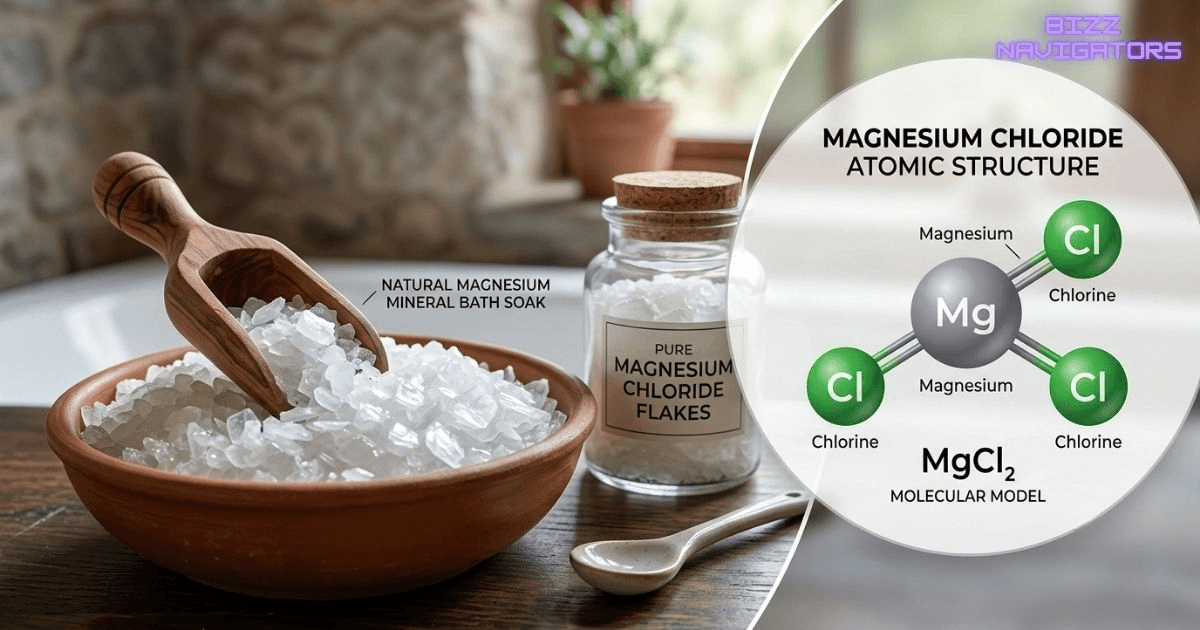
Magnesium chloride flakes have become increasingly popular among people seeking natural ways to support their health and wellness. These mineral-rich flakes contain a highly absorbable form of magnesium, an essential nutrient involved in hundreds of biological processes within the body.
Derived primarily from ancient seabeds and mineral deposits, flakes are commonly used in baths, foot soaks, magnesium oil preparations, dietary supplements, and even gardening applications. Their versatility and ease of use make them a preferred choice for many households.
What Are Magnesium Chloride Flakes?
Origin and Composition
Magnesium chloride flakes consist of magnesium combined with chloride, creating a highly soluble mineral compound. Unlike some other magnesium forms, magnesium chloride dissolves quickly in water, making it suitable for both topical and oral applications.
These flakes often originate from natural sources where minerals have accumulated over thousands of years, resulting in a concentrated source of magnesium.
Why Magnesium Is Important
Magnesium supports numerous functions throughout the body, including:
Muscle contraction and relaxation
Nerve signaling
Energy production
Bone development
Heart rhythm regulation
Protein synthesis
A magnesium deficiency may contribute to fatigue, muscle cramps, sleep disturbances, and reduced physical performance.
Health Benefits of Magnesium Chloride Flakes
Supports Muscle Recovery
Magnesium plays an important role in muscle function. Many athletes and active individuals use magnesium chloride baths after exercise to help relax tired muscles and support recovery.
Promotes Relaxation and Better Sleep
Magnesium helps regulate neurotransmitters involved in relaxation. Adequate magnesium levels may support restful sleep and help the body manage daily stress more effectively.
Contributes to Bone Strength
While calcium often receives most of the attention, magnesium is equally important for maintaining healthy bones. It assists in calcium metabolism and supports proper bone density.
Supports Heart Health
Magnesium helps maintain normal blood vessel function and supports healthy circulation. It also contributes to maintaining a regular heartbeat and overall cardiovascular wellness.
Helps Maintain Healthy Blood Pressure
Research suggests that adequate magnesium intake may help support normal blood pressure levels when combined with a balanced diet and healthy lifestyle.

How Magnesium Chloride Flakes Are Used
Magnesium Baths
One of the most common uses involves adding flakes to warm bath water. Many people enjoy magnesium baths as part of their wellness routine because they promote relaxation and create a soothing experience.
Foot Soaks
A foot soak offers a convenient alternative for those who do not have access to a bathtub. Simply dissolve the flakes in warm water and soak the feet for approximately 20 to 30 minutes.
Magnesium Oil Preparation
Despite its name, magnesium oil contains no actual oil. It is a concentrated solution made by dissolving chloride flakes in water. Users often apply it directly to the skin.
Oral Supplementation
Certain food-grade magnesium chloride products can be used as dietary supplements. Always follow manufacturer instructions and consult a healthcare professional before beginning supplementation.
Magnesium Absorption: Topical vs Oral Use
Oral Magnesium Intake
Oral supplementation delivers magnesium through the digestive system and remains one of the most effective methods for increasing overall magnesium intake.
Topical Application
Many people use chloride flakes topically through baths or sprays. While users frequently report positive experiences, scientific research continues to explore the extent of magnesium absorption through the skin.
Combining a magnesium-rich diet with appropriate supplementation often provides the most comprehensive approach.
Natural Food Sources of Magnesium
Although magnesium chloride flakes can be beneficial, dietary intake remains essential.
Foods naturally rich in magnesium include:
Spinach and leafy greens
Almonds and cashews
Pumpkin seeds
Avocados
Black beans
Whole grains
Dark chocolate
Fatty fish
A balanced diet helps maintain healthy magnesium levels over the long term.
Magnesium Chloride Compared With Other Forms
Magnesium Chloride
Known for excellent solubility and versatility. Commonly used in baths, sprays, and supplements.
Magnesium Glycinate
Often preferred for individuals seeking a gentle form that supports relaxation and sleep.
Magnesium Citrate
Frequently used to support digestive regularity and magnesium intake.
Magnesium Oxide
Contains a high amount of elemental magnesium but may be absorbed less efficiently than other forms.
The best option depends on individual goals and personal health needs.
Gardening Uses of Magnesium Chloride Flakes
Many gardeners use magnesium-containing products to improve soil quality and support plant growth.
Magnesium contributes to chlorophyll production, which helps plants convert sunlight into energy. Proper magnesium levels can encourage healthier leaves and improved plant development.
Before applying magnesium products to soil, testing soil nutrient levels is recommended to avoid unnecessary supplementation.
Safety Considerations and Potential Side Effects
Recommended Intake Matters
While magnesium is essential, excessive intake may cause:
Diarrhea
Nausea
Stomach discomfort
Low blood pressure in severe cases
Who Should Exercise Caution?
Individuals with kidney disorders or those taking medications that affect mineral balance should consult a healthcare provider before using magnesium supplements regularly.
Using food-grade products from reputable manufacturers also helps ensure safety and purity.
Choosing High-Quality Magnesium Chloride Flakes
When purchasing chloride flakes, consider the following factors:
Product purity
Food-grade certification is intended for consumption
Third-party quality testing
Transparent ingredient labeling
Reliable manufacturer reputation
High-quality products typically contain minimal additives and clearly state their source.
Storage Tips for Maximum Freshness
Magnesium chloride flakes naturally attract moisture from the air.
To maintain quality:
Store in an airtight container
Keep away from humidity
Avoid direct sunlight
Seal packaging immediately after use
Proper storage helps preserve effectiveness and prevents clumping.
Key Takeaways
Magnesium chloride flakes provide a versatile source of magnesium.
They support muscle function, relaxation, bone health, and cardiovascular wellness.
Common uses include baths, foot soaks, magnesium oil, supplementation, and gardening.
A magnesium-rich diet remains an important foundation for overall health.
Selecting high-quality products and following recommended usage guidelines improves safety and effectiveness.
Frequently Asked Questions
Can magnesium chloride flakes be used daily?
Yes, many people use chloride flakes daily in baths or wellness routines. Usage should follow product recommendations.
Are chloride flakes better than other magnesium forms?
Each form offers unique advantages. Magnesium chloride stands out because of its versatility and high solubility.
Can chloride flakes help plants grow?
Magnesium supports chlorophyll production and may benefit plants when soil magnesium levels are insufficient.
What is the best way to store magnesium flakes?
Store them in a sealed, airtight container in a cool and dry location to prevent moisture absorption.
Conclusion
Magnesium chloride flakes offer a practical and effective way to support wellness, relaxation, and mineral intake. Their applications extend beyond personal health into skincare, recovery routines, and gardening. By choosing quality products, following proper usage guidelines, and maintaining a balanced diet rich in magnesium, individuals can make the most of this valuable mineral resource.

At BizzNavigators, we answer the questions you’re actually searching for, honestly and clearly. We check our facts before we publish anything, and if we’re not sure about something, we tell you instead of guessing. Whatever you’re looking for- a tech fix, a business tip, or a simple how-to- we want to give you an answer you can trust.
1 thought on “Magnesium Chloride Flakes: Incredible Uses, Benefits & Safety”