
Understanding IKL Care and Its Commitment to Person-Centred Support
IKL Care aims to make care more personal by giving service users a real voice in how their support is planned and delivered. From choosing suitable support workers to deciding care schedules and daily routines.
IKL Care focuses on independence, dignity, and individual choice rather than standard solutions. As families look for care providers that offer flexibility, trust, and professional support.
Understanding how a person-centred approach works can make the decision much easier. This article explores the services, care philosophy, and key factors that set IKL Care apart in modern community support.
What Makes Person-Centred Care Different?
Traditional care models often focused primarily on tasks and routines. Person-centred care changes that perspective by considering the individual’s lifestyle, preferences, and emotional well-being.
This approach typically includes:
Individual choice and involvement
Service users participate in discussions regarding their support plans, visiting schedules, and care preferences.
Flexible support arrangements
Care requirements can change over time. A flexible care structure allows support levels to increase or decrease when circumstances change.
Respect for independence
Support workers encourage individuals to continue performing activities they can manage safely instead of creating unnecessary dependency.
Consistency in care delivery
Regular caregivers help build trust and familiarity, which often improves communication and emotional comfort.
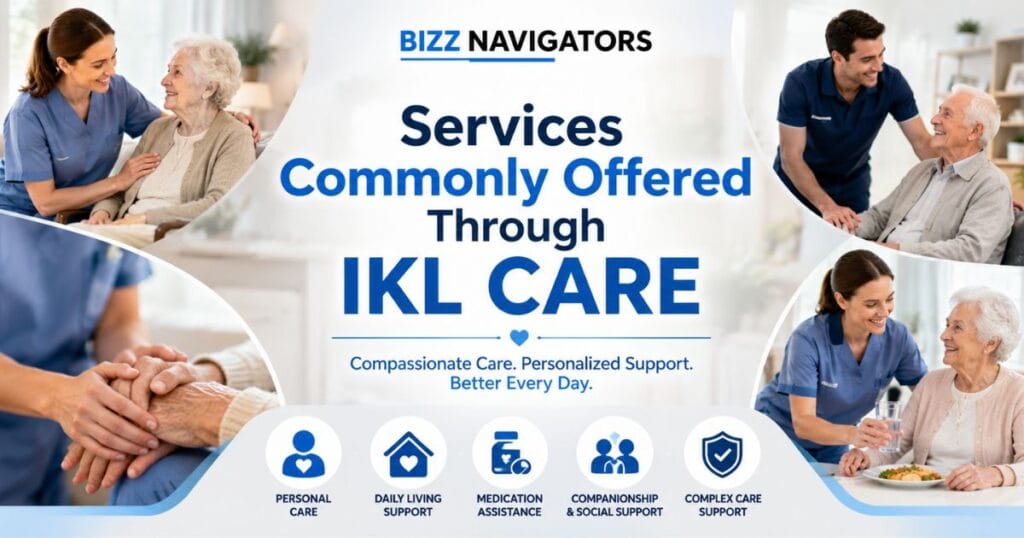
Services Commonly Offered Through IKL Care
Home care requirements vary significantly between individuals. Some people require occasional assistance, while others depend on regular support throughout the week.
Personal care assistance
Personal care services may include support with:
Washing and bathing
Dressing assistance
Grooming routines
Oral hygiene support
Mobility assistance
These services aim to preserve dignity while ensuring safety and comfort.
Daily living support
Everyday activities can become challenging due to age, illness, or disability.
Support may include:
Meal preparation
Household tasks
Laundry support
Shopping assistance
Appointment attendance
Helping individuals remain in their own homes often contributes positively to emotional well-being and independence.
Medication support
Medication routines can become difficult to manage, particularly when multiple prescriptions are involved.
Support workers may assist with:
Medication reminders
Monitoring schedules
Recording administration times
Communicating concerns to healthcare professionals
This reduces the likelihood of missed or incorrect doses.
Companionship and social support
Loneliness affects many older adults and vulnerable individuals.
Companionship services help people remain socially connected through:
Friendly conversation
Community activities
Accompanied outings
Hobby participation
Family communication support
Emotional wellbeing plays an important role in overall health outcomes.
Complex care support
Some individuals require specialised support because of long-term conditions or disabilities.
These situations often require:
Additional staff training
Collaboration with healthcare professionals
Detailed care planning
Ongoing monitoring and reviews

How Care Plans Are Created
A quality care service starts with understanding the individual’s needs rather than assigning support immediately.
The process generally begins with an assessment covering:
| Assessment Area | Purpose |
| Physical wellbeing | Identify mobility and health requirements |
| Daily routines | Understand existing habits and preferences |
| Safety concerns | Reduce risks within the home environment |
| Social needs | Maintain community and family involvement |
| Future planning | Prepare for changing care requirements |
The information gathered forms the basis of a personalised support plan. Care plans should remain active documents rather than fixed instructions. Regular reviews ensure that support continues to match changing circumstances.
Why Home Care Continues to Grow in Popularity
Many families prefer home care because it allows loved ones to remain in familiar surroundings. Remaining at home often provides several advantages.
Familiar environments reduce stress
People generally feel more comfortable in surroundings they know well. Familiar routines can improve confidence and emotional wellbeing.
Independence remains a priority
Individuals often retain greater control over their schedules, meals, and activities compared with institutional settings.
Family involvement becomes easier
Relatives can remain actively involved in care decisions and maintain regular communication with support staff.
Flexible support options
Home care can range from occasional visits to daily assistance, depending on personal circumstances.
Training and Professional Development in Care Services
Quality care depends heavily on the skills and professionalism of support workers. Strong care organisations invest heavily in training because care requirements continue evolving alongside healthcare standards and regulations.
Training commonly covers:
Safeguarding responsibilities
Infection prevention
Medication awareness
Moving and handling techniques
Dementia awareness
Communication skills
Emergency procedures
Continuous learning helps ensure that support workers remain confident and competent in their roles.

Who Can Benefit From Services Like IKL Care?
Home care services are no longer limited to older adults. Several groups may benefit from professional support.
Older individuals wishing to remain independent
Many people prefer to continue living in their own homes rather than relocating to residential care settings.
Individuals living with disabilities
Practical assistance can improve independence while supporting education, employment, and social participation.
Recovery after illness or surgery
Temporary support often helps people regain confidence while recovering at home.
Family carers requiring respite
Family members sometimes need short breaks to maintain their own wellbeing and responsibilities.
Respite care provides temporary support without disrupting established routines.
Questions Families Should Ask Before Choosing a Care Provider
Selecting a care provider should involve careful research rather than quick decisions.
Useful questions include:
How are care plans developed?
How often are support arrangements reviewed?
What training do support workers receive?
How are emergencies managed?
Will the same carers visit regularly?
How are family members kept informed?
Clear answers often indicate a transparent and well-organised service.
Signs of a High-Quality Care Organisation
Families often struggle to compare providers effectively.
Several indicators can help identify quality services:
Strong communication practices
Regular updates help families remain informed about changes and progress.
Clear safeguarding procedures
Effective safeguarding protects vulnerable individuals from harm and neglect.
Positive staff culture
Supported and valued employees generally provide better care experiences.
Transparent policies
Reliable providers openly explain pricing structures, service availability, and care expectations.

The Future of Community-Based Care
Healthcare systems increasingly recognise the value of supporting people within their own communities. Technology, remote monitoring, and digital care planning continue to improve communication between families, healthcare professionals, and support providers.
Despite technological advances, the human connection remains at the heart of excellent care. Compassion, reliability, and respect continue to shape positive care experiences more than any system or process.
Key Takeaways
Person-centred care prioritises individual choice and independence.
Home care allows people to remain in familiar surroundings.
Personalised care plans improve outcomes and satisfaction.
Ongoing staff training strengthens service quality.
Families should actively participate in selecting a care provider.
Flexibility and communication remain essential features of excellent care services.
Frequently Asked Questions
Is home care suitable for short-term support?
Yes. Many individuals use home care services temporarily following surgery, illness, or hospital discharge.
Can care plans change over time?
Absolutely. Care plans should evolve as health conditions, routines, and personal preferences change.
Are family members involved in decision-making?
Most person-centred care providers encourage family participation while respecting the wishes of the service user.
Does home care only support older adults?
No. Adults of all ages living with disabilities, health conditions, or recovery needs may benefit from professional support.
Why is continuity of caregivers important?
Consistent support workers build trust, improve communication, and create a more comfortable experience for service users.
If you’d like, I can also create an SEO-optimized meta title, meta description, and FAQ schema markup for this article.

At BizzNavigators, we answer the questions you’re actually searching for, honestly and clearly. We check our facts before we publish anything, and if we’re not sure about something, we tell you instead of guessing. Whatever you’re looking for- a tech fix, a business tip, or a simple how-to- we want to give you an answer you can trust.