
Discover Why Reeded Glass Is a Popular Choice for Modern Spaces
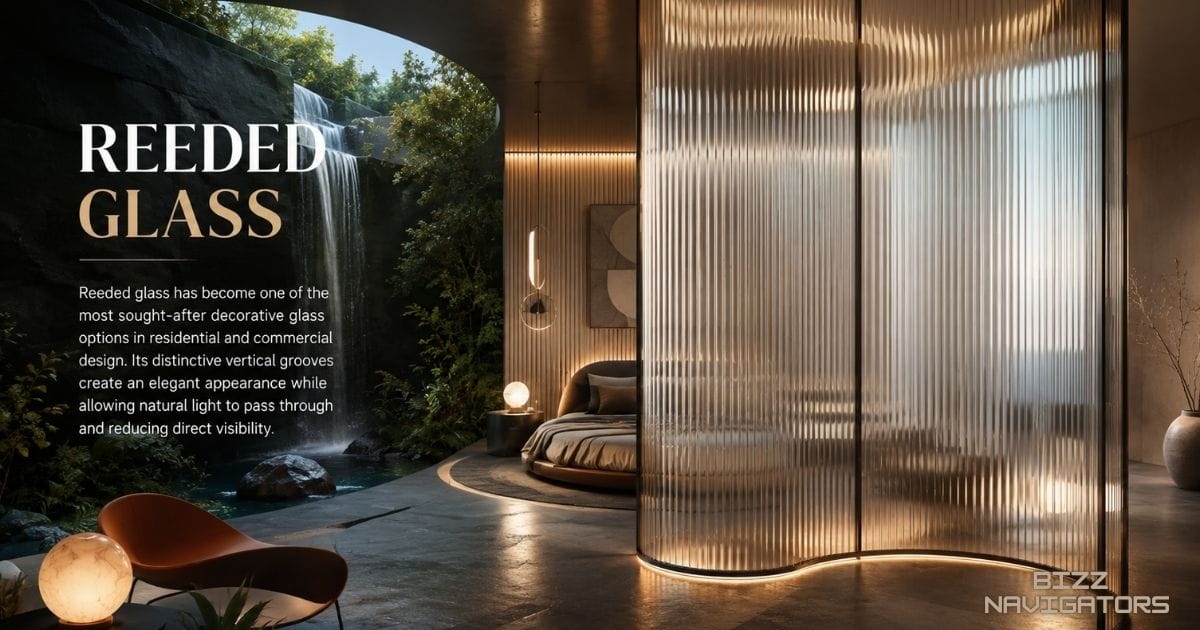
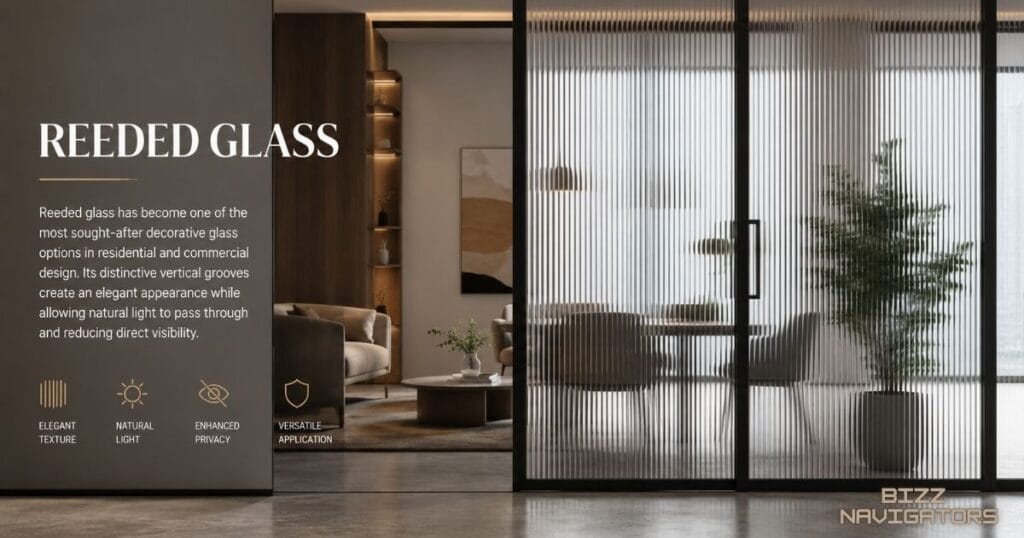
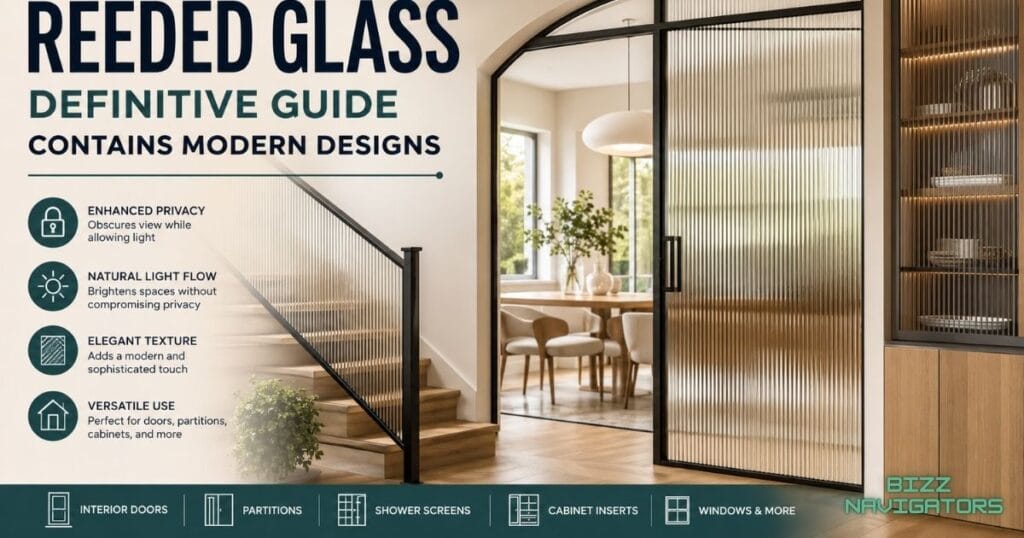
Reeded glass has become one of the most sought-after decorative glass options in residential and commercial design. Its distinctive vertical grooves create an elegant appearance while allowing natural light to pass through and reducing direct visibility. This unique balance of style and functionality makes it an excellent choice for homeowners, architects, and interior designers.
Unlike ordinary clear glass, reeded glass enhances privacy without making a room feel dark or enclosed. It suits everything from contemporary homes to luxury offices, offering a timeless aesthetic that complements various interior styles.
This guide explains how reeded glass works, its advantages, different applications, design options, and how to choose the right type for your project.
What Is Reeded Glass?
Glass is a type of textured architectural glass manufactured with evenly spaced linear grooves across one surface. These grooves distort the view while allowing daylight to flow through, creating bright yet private spaces.
Manufacturers produce glass by passing molten glass through specially designed rollers that imprint the textured pattern. The result is a decorative surface that combines visual appeal with practical performance.
Common characteristics include:
Vertical ribbed texture
Soft light diffusion
Enhanced privacy
Elegant decorative appearance
Compatibility with modern and classic interiors
How Reeded Glass Improves Privacy and Natural Light
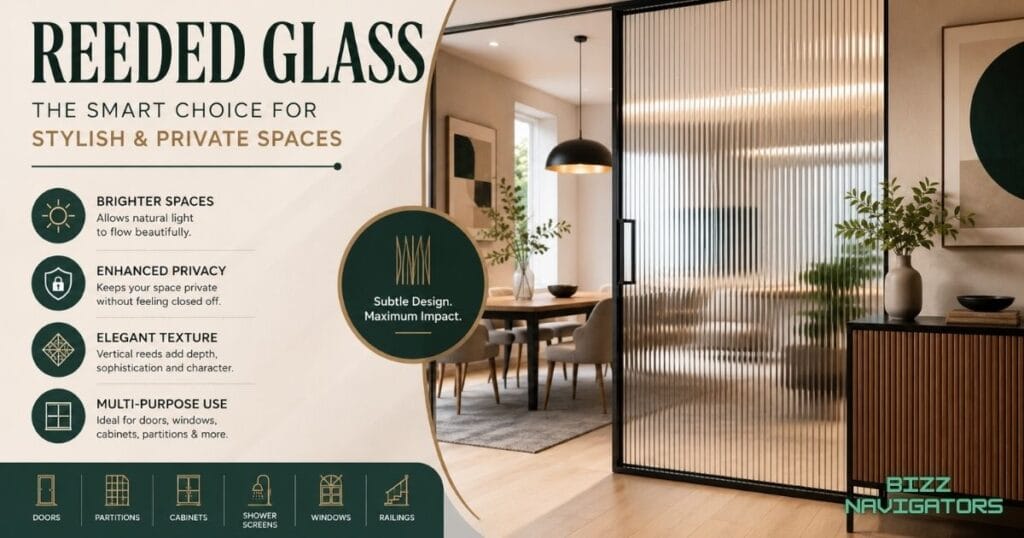
One of the biggest advantages of glass is its ability to provide privacy without sacrificing daylight.
Instead of blocking sunlight like frosted glass, the textured surface bends and scatters light. This process, known as light diffusion, softens incoming light while making objects behind the glass difficult to recognize.
Because visibility depends on lighting conditions and viewing distance, glass works especially well in areas where moderate privacy is needed while maintaining an open, airy atmosphere.
Types of Reeded Glass
Different projects require different glass specifications. The most common options include:
Clear Glass
This version maximizes daylight while providing moderate privacy, making it suitable for interior doors, partitions, and cabinets.
Tempered Reeded Glass
Heat-treated for increased strength, tempered glass offers improved safety and is ideal for doors, shower enclosures, and high-traffic areas.
Laminated Glass
Two glass layers bonded with an interlayer create additional security, sound reduction, and safety. This option performs well in commercial buildings and premium residential projects.
Frosted Reeded Glass
Combining a frosted finish with textured grooves creates a higher level of privacy, making it popular for bathrooms and meeting rooms.
Popular Applications of Reeded Glass
The versatility of glass allows it to enhance both decorative and functional spaces.
Interior Doors
Glass doors introduce natural light into hallways and adjoining rooms while maintaining visual separation.
Kitchen Cabinets
Glass-front cabinets gain texture and sophistication while partially concealing stored items.
Office Partitions
Modern offices use glass to divide workspaces without creating enclosed environments.
Shower Enclosures
Tempered glass provides privacy, safety, and an upscale appearance for bathrooms.
Windows
Homeowners use glass windows in bathrooms, entryways, and stairwells where privacy remains important.
Wardrobes and Furniture
Closets, display cabinets, and custom furniture benefit from the decorative texture while keeping contents subtly hidden.
Reeded Glass vs. Fluted Glass
Although many people use these terms interchangeably, they are not always identical. The differences are subtle but important.
| Feature | Reeded Glass | Fluted Glass |
| Surface Pattern | Narrow, consistent vertical reeds | Grooves may be wider or more decorative |
| Appearance | Clean and contemporary | Can range from classic to bold |
| Privacy | High | Moderate to High |
| Light Diffusion | Excellent | Excellent |
| Best Use | Doors, partitions, cabinets | Feature walls, furniture, decorative panels |
Understanding these differences helps designers choose the most suitable option based on the desired aesthetic and level of privacy.
Benefits of Choosing Reeded Glass
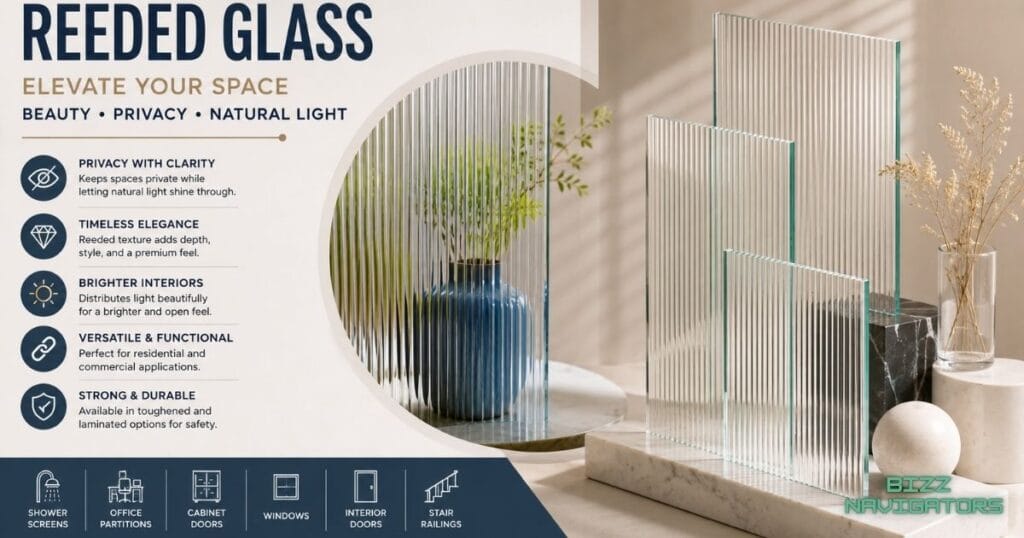
Glass delivers more than decorative appeal. It offers several practical advantages.
Increases privacy without blocking daylight.
Creates a brighter indoor environment.
Adds texture and visual interest.
Complements numerous architectural styles.
Works with wood, steel, and aluminum frames.
Requires minimal maintenance.
Can be tempered or laminated for improved safety.
Increases the perceived value of residential and commercial properties.
Factors to Consider Before Buying Reeded Glass
Selecting the right glass involves more than choosing a pattern.
Consider these factors before making a purchase:
Required privacy level
Glass thickness
Safety requirements
Indoor or outdoor application
Frame material compatibility
Local building regulations
Custom size availability
Budget and installation costs
Choosing the correct specifications ensures long-term durability and better overall performance.
Design Ideas for Reeded Glass
Glass adapts to a wide range of interior and architectural styles, making it a favorite among designers who want both functionality and visual appeal.
Modern Minimalist Homes
Use black aluminum frames with clear glass to create sleek room dividers or sliding doors. The textured surface adds character without overwhelming the space.
Scandinavian Interiors
Pair glass with light wood finishes to maximize natural light while maintaining the clean, airy feel that defines Scandinavian design.
Industrial Spaces
Steel-framed glass partitions complement exposed brick, concrete, and metal accents, creating a refined industrial aesthetic.
Luxury Residential Projects
Install glass in wardrobes, wine cabinets, entry doors, or feature walls to introduce subtle texture and an upscale appearance.
Installation Tips for Long-Lasting Performance
Professional installation ensures both safety and durability, especially for large panels or tempered glass products.
For the best results:
Measure openings accurately before ordering custom glass.
Choose tempered or laminated glass where safety is required.
Install high-quality seals and hardware to prevent movement.
Ensure the textured side faces the intended direction based on privacy needs.
Follow local building codes for structural applications such as railings or partitions.
Proper installation extends the lifespan of the glass and minimizes future maintenance issues.
How to Clean and Maintain Reeded Glass
Despite its textured surface, glass is relatively easy to maintain with regular care.
To keep it looking its best:
Wipe the surface with a microfiber cloth.
Use a mild glass cleaner or a solution of warm water and gentle soap.
Clean along the direction of the grooves to remove dust effectively.
Avoid abrasive pads or harsh chemicals that could damage the finish.
Dry the surface thoroughly to prevent water spots.
Routine cleaning preserves the glass’s clarity and decorative texture for years.
Is Reeded Glass Energy Efficient?
While the texture itself does not significantly improve insulation, glass can contribute to energy efficiency when combined with modern glazing technologies.
For enhanced thermal performance, consider:
Double-glazed glass units
Low-E (low-emissivity) coatings
Laminated insulated glass systems
These options help regulate indoor temperatures, reduce energy consumption, and improve overall comfort without compromising the decorative look.
Common Mistakes to Avoid
Choosing the wrong type of reeded glass can affect both appearance and functionality.
Avoid these common mistakes:
Selecting standard glass where safety glass is required.
Ignoring the desired privacy level before choosing a pattern.
Using glass that is too thin for doors or large panels.
Forgetting to consider the direction of the grooves.
Prioritizing price over product quality and durability.
Planning carefully before installation helps you achieve the best long-term results.
Conclusion
Reeded glass offers an ideal combination of privacy, natural light, and timeless style. Its textured surface enhances interiors while serving practical purposes in homes, offices, hospitality venues, and commercial buildings.
From elegant room dividers and cabinet doors to shower enclosures and architectural partitions, it delivers versatility that few decorative glass options can match. When selecting reeded glass, consider factors such as safety requirements, glass thickness, customization options, and installation quality.
Choosing the right specification ensures lasting performance, improved aesthetics, and greater value for your investment. Whether you are renovating a single room or designing an entire building, reeded glass remains a sophisticated solution that balances beauty with everyday functionality.
Frequently Asked Questions
Is reeded glass the same as fluted glass?
Not always. Glass typically features uniform, narrow vertical grooves, while fluted glass may have wider or differently shaped patterns depending on the manufacturer.
Does reeded glass provide complete privacy?
No. It obscures direct views but does not create total privacy like opaque or fully frosted glass.
Can glass be tempered?
Yes. Tempered reeded glass is widely available and is recommended for doors, shower enclosures, and other safety-sensitive applications.
Is reeded glass suitable for bathrooms?
Yes. It provides privacy while allowing natural light to brighten the space, making it an excellent choice for shower screens and bathroom windows.
Can glass be used outdoors?
Yes. When properly tempered or laminated and installed with weather-resistant framing systems, it performs well in exterior applications.

At BizzNavigators, we answer the questions you’re actually searching for, honestly and clearly. We check our facts before we publish anything, and if we’re not sure about something, we tell you instead of guessing. Whatever you’re looking for- a tech fix, a business tip, or a simple how-to- we want to give you an answer you can trust.