
Why Walnut Cabinets Continue to Be a Top Choice
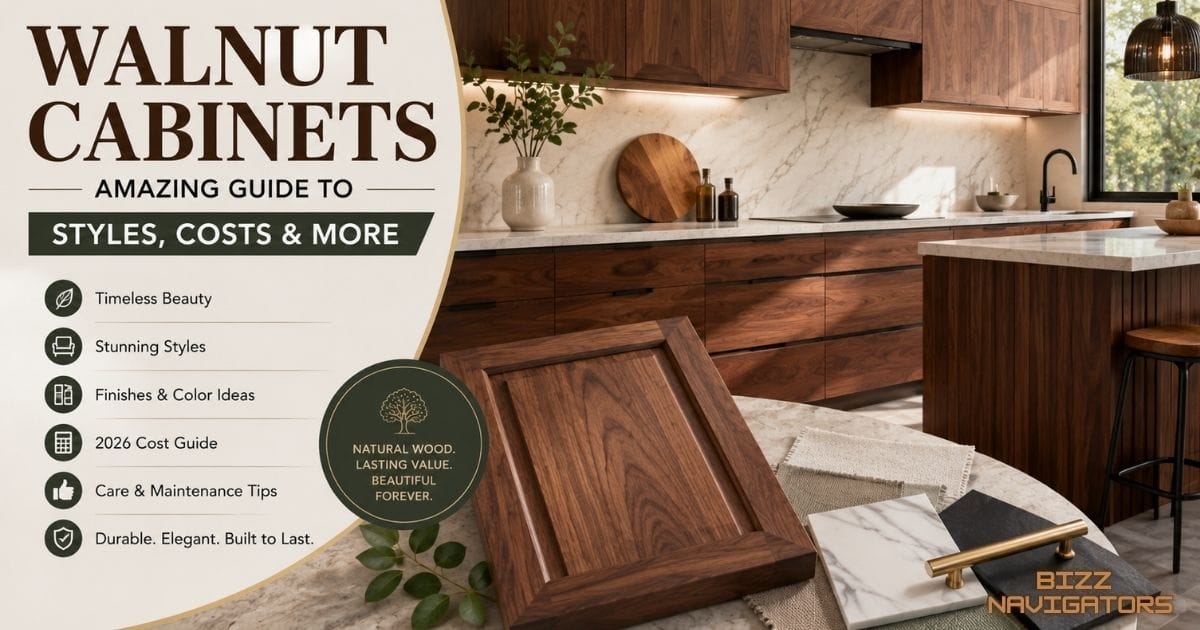
Walnut cabinets have remained a symbol of luxury and timeless craftsmanship for decades. Their rich natural color, distinctive grain patterns, and exceptional durability make them one of the most desirable choices for kitchens, bathrooms, home offices, and custom storage spaces. Whether you’re building a new home or renovating an existing one, walnut cabinetry adds warmth and character that many other wood species simply cannot match.
Unlike trend-driven cabinet materials that come and go, walnut offers lasting appeal. Its natural elegance complements modern, transitional, rustic, and even mid-century interiors without looking outdated. Homeowners also appreciate that walnut develops even more personality over time, making every cabinet unique.
This guide explains everything you need to know before investing in walnut cabinets, including their advantages, costs, finishes, maintenance requirements, and design possibilities.
What Are Walnut Cabinets?
Walnut cabinets are built from walnut hardwood or manufactured using a walnut veneer over a stable wood core. The wood is valued for its smooth texture, impressive strength, and naturally rich brown color that ranges from light honey tones to deep chocolate shades.
American Black Walnut is the most common choice for cabinetry because it combines beauty with excellent stability. It machines well, accepts finishes evenly, and produces cabinets with luxurious grain variations that synthetic materials cannot duplicate.
Solid Walnut vs. Walnut Veneer
Choosing between solid walnut and walnut veneer depends on your budget, design goals, and long-term expectations.
| Feature | Solid Walnut | Walnut Veneer |
| Appearance | Natural throughout | Genuine walnut surface |
| Cost | Premium | More affordable |
| Durability | Excellent | Very good |
| Repairability | Easier to refinish | Limited refinishing |
| Best For | Luxury custom cabinetry | Budget-conscious remodels |
Solid walnut provides unmatched authenticity and longevity, while walnut veneer offers a similar visual appearance at a significantly lower price.
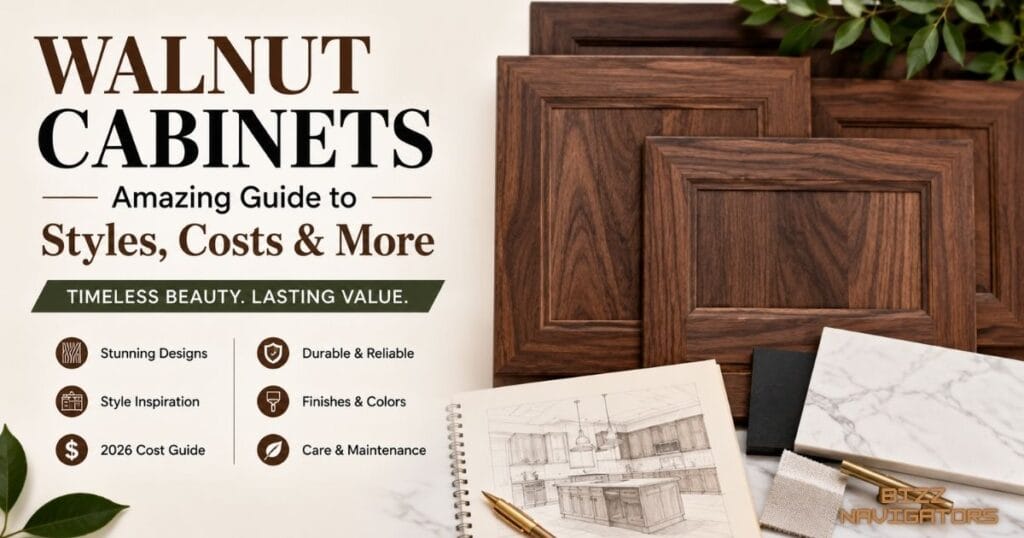
Why Homeowners Love Walnut Cabinets
Several characteristics make walnut one of the most sought-after cabinet materials.
Naturally Beautiful Grain
Every walnut board features unique grain movement, giving cabinets a custom appearance without requiring artificial textures or stains. No two installations ever look exactly alike.
Rich Color That Ages Elegantly
Fresh walnuts often display lighter brown tones, but it gradually develops a deeper, more refined appearance. Instead of looking worn, quality walnut gains character as it matures.
Outstanding Durability
Walnut is a hardwood that resists everyday wear remarkably well. Properly constructed cabinets can remain structurally sound for decades with routine maintenance.
Fits Nearly Every Interior Style
One reason designers frequently recommend walnut is its versatility. It pairs beautifully with white, black, gray, green, navy, and earthy color palettes, making it suitable for almost any home design.
Advantages of Walnut Cabinets
Choosing cabinets offers several long-term benefits.
Premium appearance that increases visual appeal.
Strong hardwood with excellent durability.
Timeless style that doesn’t follow short-lived trends.
Can be refinished instead of replaced.
Works with both modern and traditional interiors.
Adds perceived value to residential properties.
Distinctive grain creates a custom-crafted look.
These qualities help explain why walnut remains a preferred option for high-end kitchen renovations.
Are There Any Disadvantages?
Although walnut is an exceptional cabinet material, it isn’t perfect for every homeowner.
The biggest drawback is cost. Walnut generally costs more than maple, oak, or birch because of its premium quality and slower availability.
Another consideration is sunlight. Continuous exposure to direct UV rays may gradually alter the wood’s color. Installing quality window treatments or UV-protective finishes helps reduce this effect.
Finally, walnut requires routine care to maintain its natural beauty. Fortunately, maintenance is straightforward when performed regularly.
Popular Walnut Cabinet Styles
One of walnut’s greatest strengths is its ability to complement multiple design styles.
Modern Walnut Cabinets
Modern kitchens often feature flat-panel cabinets with minimal hardware, clean lines, and integrated storage solutions. The natural grain becomes the focal point without unnecessary decorative details.
Shaker Walnut Cabinets
Shaker doors combine traditional craftsmanship with simple elegance. Their clean frame design allows walnut’s beautiful grain to remain the center of attention.
Mid-Century Modern Designs
Walnut became famous during the mid-century modern era, making it an ideal material for homes inspired by the 1950s and 1960s. Sleek cabinet profiles and warm wood tones create a timeless aesthetic.
Rustic Walnut Cabinetry
Rustic spaces benefit from walnut’s organic texture. Matte finishes, visible knots, and natural grain variation help create a warm, welcoming atmosphere.
Luxury Custom Cabinets
Custom walnut cabinetry allows homeowners to personalize every detail, including storage features, door profiles, drawer organization, built-in lighting, and premium hardware.
Choosing the Best Finish for Walnut Cabinets
The finish you choose affects both appearance and long-term protection.
Natural Matte Finish
A matte finish preserves walnut’s authentic texture while reducing glare. It remains one of the most popular options for contemporary kitchens.
Satin Finish
Satin provides a soft sheen without looking overly glossy. It enhances grain depth while remaining easy to maintain.
Clear Protective Finish
Many professionals recommend clear finishes because they showcase walnut’s natural beauty instead of masking it with heavy stains.
Oil vs. Polyurethane
Natural oils penetrate the wood and highlight its warmth but require occasional reapplication.
Polyurethane creates a stronger protective layer against moisture, stains, and scratches, making it an excellent choice for busy kitchens.
Walnut Cabinet Color Options
Despite popular belief, walnut isn’t limited to one shade.
Homeowners can choose from:
Light walnut for bright contemporary spaces.
Medium walnut for balanced warmth.
Dark walnut for luxurious kitchens.
Black walnut for dramatic, high-end interiors.
The final appearance also depends on the finish, lighting, and surrounding materials, so viewing samples inside your home before purchasing is always recommended.
Designing a Beautiful Space with Walnut Cabinets
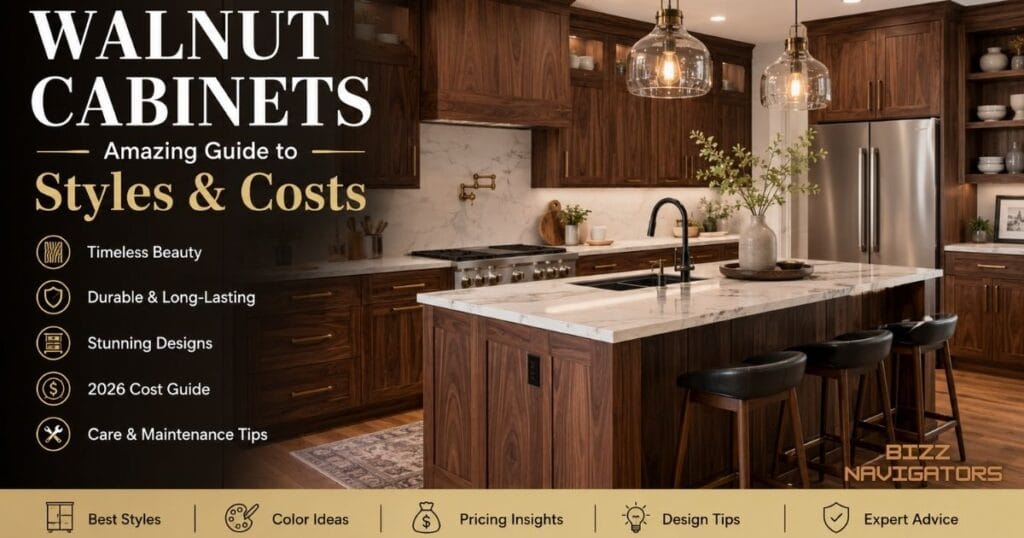
The right design elements can enhance the natural beauty of cabinets without overpowering their distinctive grain. Instead of competing with the wood, complementary materials create a balanced and sophisticated look.
Best Countertops for Walnut Cabinets
White quartz and marble countertops provide crisp contrast, making cabinets appear richer and brighter. For a bold, contemporary kitchen, black granite or soapstone creates dramatic depth.
Homeowners who prefer a softer aesthetic often choose beige or light-gray quartz, which blends naturally with walnut’s warm tones while keeping the kitchen inviting.
Flooring, Backsplashes, and Hardware
Light oak flooring creates an airy feel, while medium hardwood floors produce a seamless transition throughout the room. Large-format porcelain tiles also work well in modern homes.
For backsplashes, simple subway tiles, marble slabs, or textured stone keep the focus on the cabinetry without creating visual clutter.
When selecting hardware, consider finishes such as:
Matte black for modern kitchens.
Brushed brass for a luxurious appearance.
Satin nickel for timeless versatility.
Champagne bronze for a warm contemporary finish.
Keeping hardware simple allows the walnut grain to remain the standout feature.
Where Cabinets Work Best
Although kitchens remain the most popular application, walnut cabinetry performs equally well in other living spaces.
Kitchens
Walnut kitchen cabinets create an inviting atmosphere while offering long-term durability for daily use.
Bathrooms
Floating walnut vanities introduce warmth that contrasts beautifully with stone countertops and ceramic finishes.
Home Offices
Built-in walnut shelving and cabinets provide a professional appearance while adding practical storage.
Living Rooms
Entertainment centers and custom-built-ins crafted from walnut create elegant focal points without overwhelming the room.
Walnut Cabinets Cost in 2026
Walnut is considered a premium hardwood, so its price reflects both its quality and limited availability.
Average cabinet costs typically fall into these ranges:
| Cabinet Type | Estimated Price |
| Walnut Veneer Cabinets | $250–$500 per linear foot |
| Semi-Custom Walnut Cabinets | $500–$900 per linear foot |
| Solid Custom Walnut Cabinets | $900–$1,600+ per linear foot |
Several factors influence the final price, including:
Cabinet size and layout.
Wood grade and grain selection.
Door style.
Finish quality.
Interior storage accessories.
Installation complexity.
Local labor rates.
While walnut requires a larger upfront investment, its durability and timeless appearance often reduce the need for future replacements.
Are Walnut Cabinets Worth the Investment?
For homeowners seeking premium quality and lasting value, the answer is generally yes.
Cabinets combine exceptional craftsmanship with a lifespan that can easily exceed several decades when properly maintained. Unlike trendy cabinet colors that may lose popularity, natural walnut continues to appeal to designers and buyers year after year.
Their ability to increase visual appeal and complement a wide range of interior styles also makes them an attractive feature for resale.
How to Maintain Walnut Cabinets
Maintaining cabinets is surprisingly simple.
Clean surfaces regularly using a soft microfiber cloth and a mild wood-safe cleaner. Avoid abrasive pads, harsh chemicals, or excessive water, which may damage the protective finish.
To keep cabinets looking their best:
Wipe spills immediately.
Use cabinet-safe cleaning products.
Avoid prolonged exposure to direct sunlight.
Maintain stable indoor humidity levels.
Tighten hinges and hardware periodically.
Reapply protective finishes when recommended by the manufacturer.
Consistent care helps preserve both the color and structural integrity of the wood.
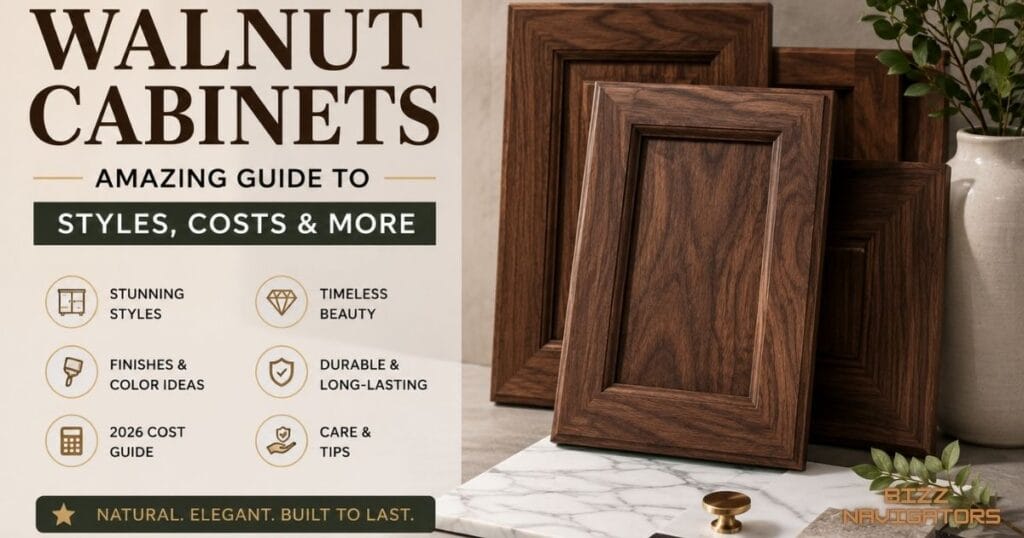
Walnut Cabinets vs. Other Popular Woods
| Feature | Walnut | Oak | Maple | Cherry |
| Appearance | Rich, luxurious grain | Bold grain | Smooth, uniform | Warm reddish tones |
| Durability | Excellent | Excellent | Very Good | Excellent |
| Cost | High | Moderate | Moderate | High |
| Best Style | Modern & Luxury | Traditional | Contemporary | Classic |
| Refinishing | Excellent | Excellent | Good | Excellent |
Walnut stands out for homeowners who prioritize elegance, unique grain patterns, and premium craftsmanship.
Final Thoughts
Walnut cabinets continue to set the standard for premium residential cabinetry in 2026. Their remarkable durability, distinctive grain, and timeless elegance make them an excellent investment for homeowners who value quality over short-term trends.
Whether you choose solid walnut or high-quality walnut veneer, selecting the right finish, coordinating materials thoughtfully, and following simple maintenance practices will ensure your cabinets remain beautiful for decades. If you’re looking for cabinetry that combines natural character, lasting performance, and enduring style, walnut cabinets remain one of the finest choices available.
Frequently Asked Questions
Do walnut cabinets change color over time?
Yes. Walnut naturally matures with age and light exposure. High-quality protective finishes help slow this process while preserving the wood’s beauty.
Are walnut cabinets suitable for small kitchens?
Absolutely. Pairing cabinets with light countertops, reflective backsplashes, and good lighting prevents smaller kitchens from feeling dark.
Can cabinets be refinished?
Yes. Solid cabinets can usually be sanded and refinished several times, extending their lifespan significantly.
Are walnut cabinets difficult to maintain?
No. Routine cleaning and basic preventative care are generally enough to keep them looking beautiful for many years.
Which countertop color looks best with cabinets?
White quartz remains one of the most popular choices because it provides excellent contrast while highlighting walnut’s natural warmth.

At BizzNavigators, we answer the questions you’re actually searching for, honestly and clearly. We check our facts before we publish anything, and if we’re not sure about something, we tell you instead of guessing. Whatever you’re looking for- a tech fix, a business tip, or a simple how-to- we want to give you an answer you can trust.